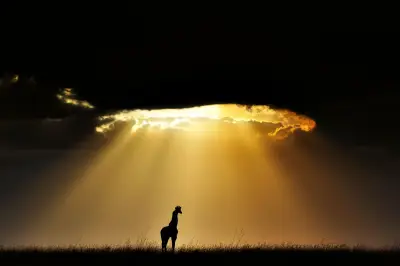
National Geographic's 23-day private jet wildlife adventure through Asia and Africa costs $144,995 (£108,700) per person, or $6,304 (£4,726) a day, making it one of the most expensive holidays on the market. The trip, one of five private jet itineraries offered by the organisation, has drawn criticism over its environmental impact.
Luxury Itinerary Across Asia and Africa
The journey begins with a welcome dinner in Singapore, followed by a flight to Borneo to meet orangutans and sun bears, and a cruise along the Kinabatangan River. In India, travellers visit Jaipur and Ranthambore National Park in search of tigers, before moving on to safaris in Sri Lanka's Yala and Bundala parks.
The itinerary continues with stops in the Maldives, Madagascar's Nosy Be for lemurs and snorkelling, South Africa's Phinda Private Game Reserve for Big Five safaris, and Rwanda for mountain gorilla trekking. The trip concludes in Rome before guests are flown home.
Carbon Footprint Under Scrutiny
Each passenger onboard the chartered Boeing 757, modified from 233 seats to 80 business class spots, is responsible for 7,851 kg CO2e, calculated using the Travel Impact Model. By some estimates, the annual carbon budget is as low as 700kg CO2e per year, while the average Brit produces 8,000kg of CO2e annually.
The trip appears at odds with National Geographic's corporate responsibility policy, which states that its activities, products, and services should minimise negative environmental impacts. National Geographic did not respond to requests for comment.
Aviation's Growing Emissions
The independent Climate Change Committee projected that aviation's share of UK greenhouse gas emissions will rise from 7% in 2022 to 9% in 2025, 11% in 2030, and 16% in 2035. Currently, 80% of people have never flown, but as more people take to the skies, emissions are expected to soar.
Katie Thompson, CEO and founder of environmental aviation charity Bumprints and a former commercial jet pilot, now refuses to fly. She told the Mirror: "If you really care about wildlife, you need to think about what's happening to their habitats. It's 100% human-induced warming that's causing devastation and the sixth mass extinction. Then you connect the dots between your life choices and what's happening. If you added up the carbon of just that trip, it would blow through hundreds of people's annual budgets."
Thompson urged travellers to check predicted emissions on services like Google Flights, noting that these can vary considerably on the same route, with some three times lower than others.