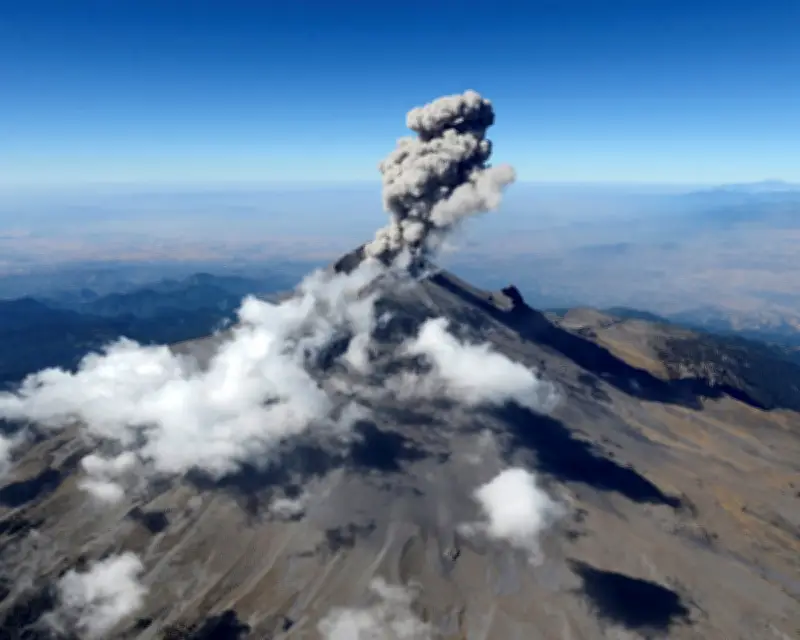
VolcanoTech, a company spun out from the University of Sheffield, has developed a low-cost sensor system that can warn of imminent volcanic eruptions by detecting sulphur dioxide emissions. The technology is already in use in Ecuador, Chile, Mexico, and Indonesia, with planned installations in Costa Rica and Argentina.
How the Technology Works
Similar to air quality sensors used in weather forecasts and city networks, VolcanoTech’s Pi-cam detects sulphur dioxide released by rising magma. As magma rises, it emits dissolved sulphur dioxide, and a significant increase in this gas signals that an eruption may be near. The Pi-cam uses a smartphone camera modified to see in ultraviolet wavelengths, paired with a simple Raspberry Pi processor to interpret the data. The sensor reads fluorescence from sulphur dioxide; the more UV light detected, the higher the gas level.
Affordable Alternative for Vulnerable Communities
Traditional sulphur dioxide monitoring systems are expensive, making them inaccessible to many communities at risk of volcanic eruptions. VolcanoTech’s network costs a fraction of comparable systems, providing a cost-effective solution for developing nations. According to the company, the low-cost design allows for widespread deployment, enabling better coverage and earlier warnings.
Broader Applications for Air Quality Monitoring
Large, low-cost sensor networks driven by commercial technology could transform air quality monitoring. Instead of scattered data points, future meteorologists and vulcanologists might see a comprehensive picture, helping them understand changes in air pollution and volcanic eruption risks. This innovation builds on existing air quality sensor networks used in cities worldwide, extending their utility to volcanic hazard detection.
Global Impact and Future Plans
VolcanoTech systems are already operational in several countries, with planned sites in Costa Rica and Argentina. The technology’s affordability and effectiveness could significantly improve volcanic early warning systems in regions that previously lacked resources. As climate change and volcanic activity remain ongoing concerns, such low-cost innovations are crucial for protecting vulnerable populations.