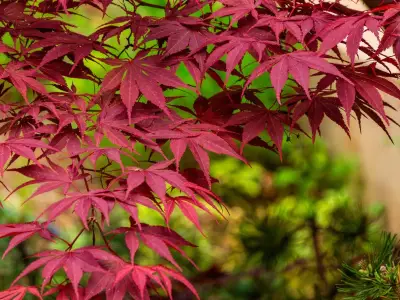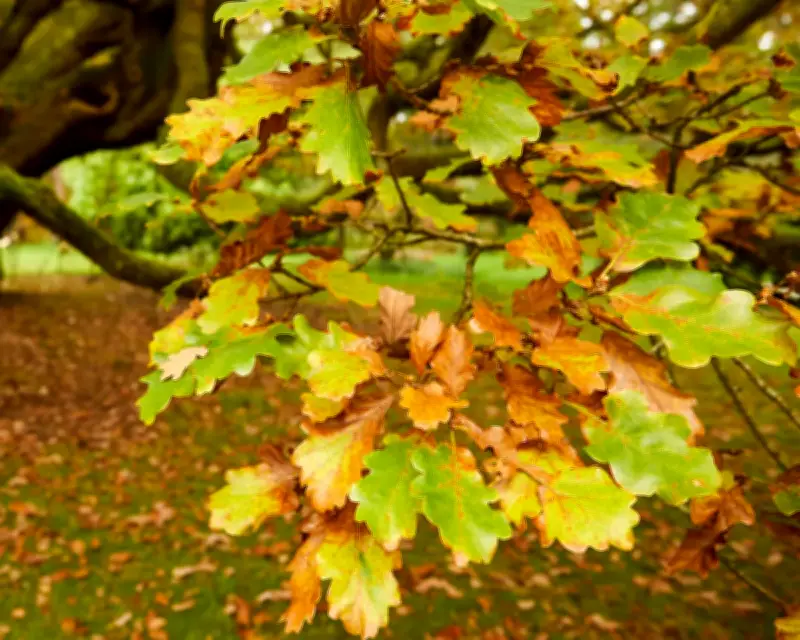
In the Creedy Valley, Devon, three oaks in a row present a striking contrast: one remains green, one is bronze, and the third is shedding its golden leaves as if a snow globe has been shaken. The leaf fall from the oak on the brow of the hill continues for a long time, with leaves glittering to the ground despite only a slight wind.
The flanking oaks have not responded the same way. The tree to the right holds its leaves close, displaying a burnished bronze brighter than its neighbour's gold, while the tree to the left stands greener at the end of the line.
Unpredictable Autumn Colours
The changing colours of deciduous trees and the timing of their leaf fall have been particularly unpredictable this year. Many trees in the south-west have experienced stress during the hot summer and drought, with some shedding leaves early in response, others showing more muted autumn colours, or adjusting the timing of their shade changes.
In extreme heat driven by the climate crisis, ecosystems are increasingly pushed into "false autumn" cycles. Trees with shallower root systems can struggle to reach deeper moisture reserves, dropping their leaves early to conserve water and energy. The oaks, with their deeper roots, may have fared better with increased access to water.
Watching Nearby Trees
This year, the observer has been watching the shedding of leaves from nearby trees more keenly. The silver birch by the house, a shallower rooted tree, has dropped occasional leaves but did not let them go prematurely, though it has foregone its usual vibrancy. The neighbouring beeches lining a field in the valley lost their leaves early, yet some still hold patches of buttery colour.
Now, this oak's leaves are the latest to go, dropped with conviction, while the flanking trees stand unmoved. Amid the uncertainty, it seems to know just when to let go and with what vigour to release its gold.