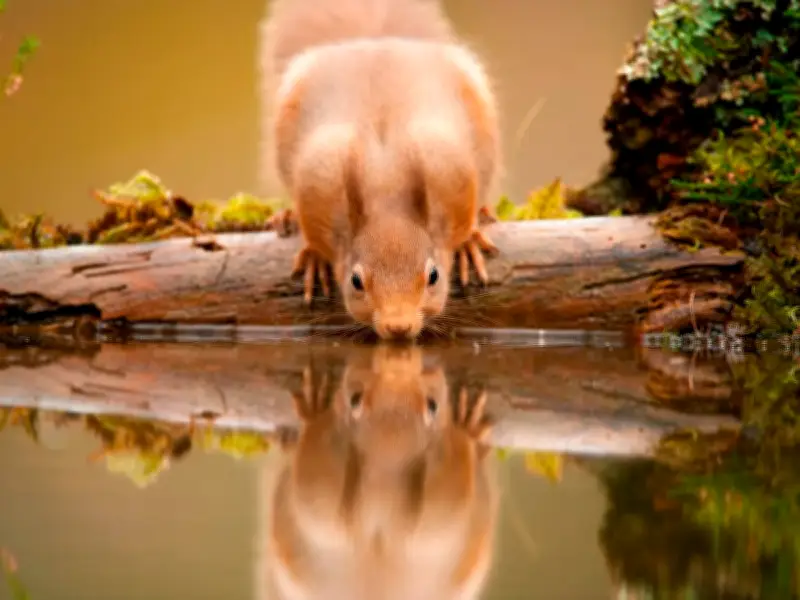
Red Squirrel Awareness Week may be over, but support for red squirrel recovery continues as a new £250,000 grant scheme empowers local communities to support red squirrel recovery. Despite their charm and status as the UK's only native squirrel species, red squirrels are classed as endangered in Britain.
Once numbering millions, populations have dramatically declined and are now estimated at around 287,000 with many calling home between Northumberland and Scotland. Pressures on the limited population include habitat loss, competition from invasive, non-native grey squirrels and the spread of the fatal squirrel pox virus which has caused red squirrels to face local extinction in large parts of Britain, making conservation efforts and community action increasingly important.
Funding and project priorities
The Red Squirrel Recovery Network (RSRN), funded by the National Lottery Heritage Fund, aims to safeguard remaining populations and raise public awareness in Northumberland, Cumbria, parts of Lancashire & Merseyside, Southern Ayrshire, Dumfries & Galloway and the Scottish Borders. With £250,000 available for the five-year project across the Network's area, the Community Grants Scheme will provide accessible funding to help bring red squirrel and nature themed projects to life.
The main projects of the scheme include grey squirrel fertility control research, with the developing and trialling of large scale fertility control for grey squirrels and field trials planned during the delivery phase. It also covers monitoring and data collection, including an annual spring monitoring programme and baseline data on squirrel distribution, grey squirrel activity and volunteer demographics. Cross-border collaboration will coordinate conservation across Northern England and Scotland with shared data and unified strategies for long term recovery.
Community engagement and grant details
Community engagement will include recruiting and supporting volunteers across the region, public awareness such as the 'Don't be Shy' campaign and community grants for local conservation projects. The RSRN are keen to fund and support locally inspired and innovative proposals that help communities celebrate red squirrels, reconnect with nature and protect a shared natural heritage.
Helen Featherstone, Director England North at The National Lottery Heritage Fund, said: “To celebrate our native Red squirrel, it is wonderful to see these grants being made available to communities to deliver projects where they can learn more about the species. Thanks to the money raised by the National Lottery players, the Community Grant Scheme will give people a chance to get involved with the conservation of this rare creature and work to make the magical experience of spotting them in the wild a more regular occurrence.”
Grants of up to £500 will be available for smaller activities, making it easier for schools and community groups to get involved, whereas larger grants up to £5,000 will support ideas with a wider reach and deeper community impact. Ideas on what funding could support include hiring a minibus to visit a red squirrel site, organising community red squirrel walks or wildlife celebration events, delivering creative workshops inspired by red squirrels or making improvements to heritage or natural spaces linked to red squirrel conservation.
Application process
Mike Denbury, RSRN Programme Manager, said: “The Scheme is an incredible opportunity to engage people from all backgrounds in red squirrel conservation. From introducing children to red squirrels for the very first time to delivering larger habitat protection projects, we're keen to hear your ideas on inspiring action for nature.”
The Community Grant Scheme has been designed to be fair, simple and accessible. Applications will be assessed transparently to ensure impartial decisions and equitable distribution across the Network's area. By keeping the application process straightforward and proportionate, the RSRN aims to remove barriers and encourage participation for a wide range of communities. Groups interested in applying are encouraged to think about one main question: what would your community hope to achieve with a little extra support?