
The New South Wales government has routinely delayed environmental water deliveries to critical wetlands in the state's north-west to accommodate farming activities, despite acknowledging the potential harm to frog breeding cycles, endangered birds, and local ecosystems, according to internal emails released by a local grazier.
Delays in Environmental Flows
Two weeks ago, scientists had to rescue turtles after WaterNSW abruptly cut water to the internationally significant Gwydir region near Moree following a landowner complaint. Now, grazier Jonathon Guyer has released emails showing the state's environment and water department postponed flows from spring to early summer to prioritize winter cereal crop harvesting.
In a September 26 email, a bureaucrat wrote that the "ideal time to deliver beneficial wetland flow is now" due to warm conditions that would trigger vegetation growth and frog breeding. However, they added, "due to the 2025 winter cereal crop, an environmental water delivery will not occur until after they are harvested. Delaying delivery is at the detriment of the environment and environmental water accounts."
Ecological Consequences
Emails show flows to several areas did not begin until November or early December. In the Lower Gwydir, flows started in October but at a reduced rate. The department also delayed flows in 2024 for dryland farming and in 2023 for the Mallowa watercourse.
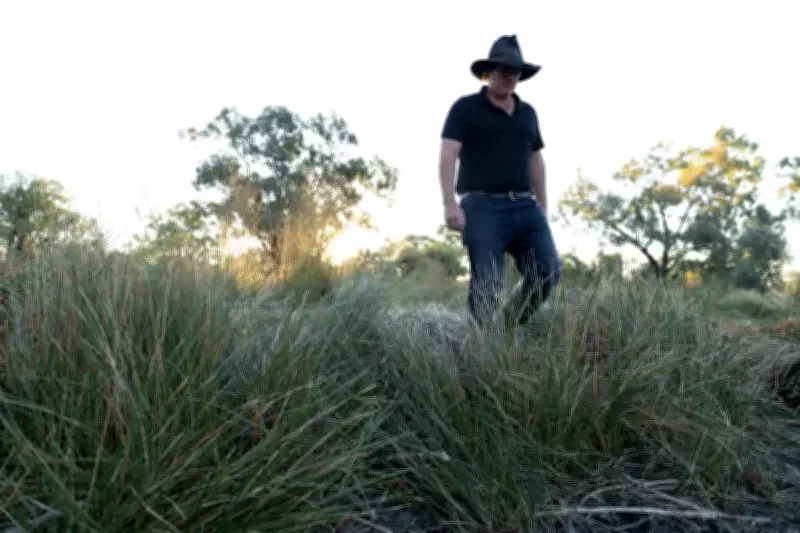
Guyer, who manages wetlands for conservation on his family property, said the repeated pattern of delays meant Mallowa environmental water was "treated as something to fit around farming activity rather than something delivered according to ecological need." When wetlands have adequate water, they teem with plants, birds, and insects, with frog calls audible at night. "But if there's a winter crop that hasn't been harvested, then according to the government departments ... they just let slide and we lose it. So we don't hear the frogs, we don't see the birds," he said.
Department Awareness
Internal correspondence reveals the department is aware of the ecological costs. An October 9 email noted that good rains had triggered a significant environmental response, with frogs breeding and migratory birds arriving, including five threatened Australasian bitterns. It warned that if watercourses dried back, the outcome would be diminished, and later flows would require species to restart seasonal activities.
A September 26 email stated that delaying flows until hotter months requires higher volumes to achieve the same inundation, costing more from environmental water accounts. "Year after year observation of flows in the same or very similar timing and with similar volumes will result in less diversity in vegetation species and the habitats available to support animals," an official wrote.
Government Response
A department spokesperson said flows are managed in consultation with the community and experts via environmental water advisory groups. "This may mean that on some occasions, environmental water flow delivery has been adjusted to accommodate considerations such as land management activities, including farming," they said.
A federal report released last week found the NSW government had not secured any additional land access promised to improve Gwydir flows under a 2017 northern basin agreement.
NSW Greens water spokesperson Cate Faehrmann said the revelations raised serious questions about the influence of irrigators. "The fact that this was a deliberate decision by the NSW government agency tasked with water management raises serious questions about the extent of influence that irrigators still wield upon the government of the day," she said.




