
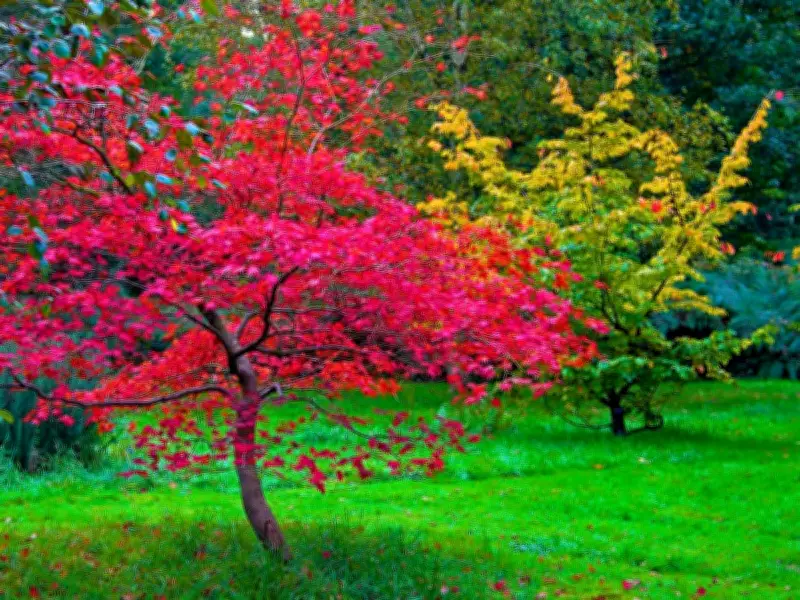
Japanese maples, prized for their vibrant red foliage, often struggle in UK gardens during summer. Many gardeners mistakenly fertilise them in late June, but this can scorch roots and leaves due to the heat. Instead, experts recommend mulching to protect the tree.
Why Fertilising in Summer Harms Japanese Maples
The salts and chemicals in fertiliser can damage the shallow roots of Japanese maples, which lie close to the soil surface and dry out faster than other plants. According to Mendocino Maples Nursery, the last safe time to fertilise is early May. In summer, mulch is far more beneficial.
"Mulch is a good friend of your maple. Mulch protects the roots from the heat in summer, the cold in winter and reduces the frequency of watering," the nursery explained.
How Mulching Helps
Mulching mimics the woodland conditions where Japanese maples naturally thrive. In Japan, forest floors are covered with leaf debris that retains water and shields roots from sun. Applying a 5–8 cm layer of organic mulch insulates the soil, keeps roots cool, and reduces watering needs.
Organic mulches like wood chips or pine needles slowly decompose, enriching the soil and promoting a fuller, bushier tree without the need for additional fertiliser.
Step-by-Step Guide to Mulching a Japanese Maple
- Purchase wood chips or pine needles from a garden centre.
- Clear weeds and debris from the base of the tree.
- Spread mulch in a ring around the tree, keeping it away from the trunk to prevent bark rot.
- Apply to a depth of 5–8 cm over the root zone.
- Water thoroughly after application.
With proper mulching, Japanese maples remain healthy and cool throughout summer, continuing to display their stunning foliage.




