
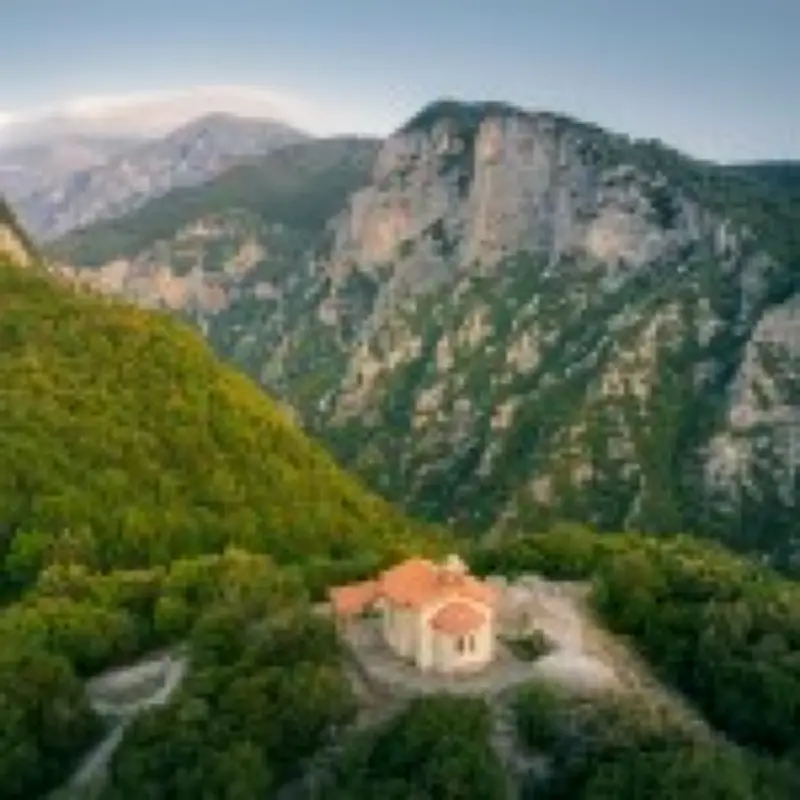
Mount Olympus, the highest mountain in Greece and the mythical home of the Olympian gods, has been added to the UNESCO World Heritage List after a 12-year wait. The decision was announced at a UNESCO committee meeting in Busan, South Korea, where Greece's UNESCO delegation, Georgios Koumoutsakos, said it 'reaffirms our unwavering commitment to safeguarding Mount Olympus for the benefit of present and future generations.' He added: 'As Greek mythology wisely reminds us, it is always best to remain on good terms with the gods.'
UNESCO status and protection
The UNESCO designation recognises sites of 'outstanding universal value' and provides protection, unlocking emergency funds and expertise during crises, and committing the host country to preservation efforts. Mount Olympus joins famous sites like the Pyramids of Egypt, the Great Barrier Reef, the Taj Mahal, and Greece's own Acropolis.
Geological and ecological significance
The World Heritage Convention noted the mountain's microclimate, which supports a diverse terrain, vegetation, and climate. The UNESCO website states: 'The property features striking landforms, including glacial cirques, limestone cliffs, karstic sinkholes, and olistolith fields, while sharp ridges like the Mytikas-Stefani complex and deep gorges such as the Enipeas illustrate ongoing neotectonic activity. Mount Olympus has served as a glacial refugium for forest species and is also a Mediterranean plant biodiversity and endemism hotspot.'
Wine production
The fertile area is home to wineries such as Olympus Wines and Navitas Winery, producing deep red wines from Xinomavro, Krasato, and Stavroto grapes.
Other UNESCO sites and new inscriptions
Greece already boasts many UNESCO sites, including the Temple of Apollo, Delphi, the Acropolis, Mount Athos, the Medieval City of Rhodes, and Corfu's Old Town. New inscriptions this year also include the D-Day landing beaches in Normandy, France, and the ancient Japanese capitals of Asuka and Fujiwara.
The Odyssey effect
The timing coincides with Christopher Nolan's adaptation of Homer's The Odyssey, which has sparked renewed interest in Greek mythology. Ithaca, the homeland of Odysseus, has also returned to the spotlight.
Lipsi: a hidden Greek island
Separately, the unspoiled Greek island of Lipsi, part of the Dodecanese group, offers 23 secluded beaches with no sunbeds and a focus on environmental protection, such as reducing plastic use. With around 800 permanent residents, the island is about 5 miles long and enjoys over 300 days of sunshine a year. Visitors can explore hidden coves, traditional tavernas, and surrounding islets like Aspronisia.




