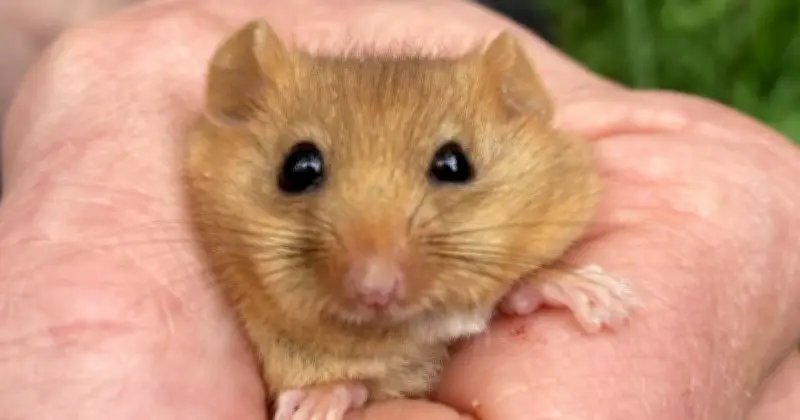
Britain's native hazel dormice population has risen nearly 10% in the last five years, a boost for the struggling animal, according to the People's Trust for Endangered Species (PTES). The increase, attributed to warmer and drier summers between 2020 and 2025, comes despite the animals' numbers declining by 59% since 2000.
Glimmer of Hope Amid Long-Term Decline
Ian White, dormouse and training officer at PTES, said: "Our findings offer grounds for cautious optimism for dormice, and although the recent upturn is welcome good news, we mustn't lose sight of the bigger picture: populations remain almost 60% lower than they were in 2000."
White added: "This protected native species still faces significant challenges, and urgent, sustained conservation action is essential. Creating more wooded, species-rich habitat is critical, as is reconnecting the woodlands, scrub and hedgerows that dormice rely on, to give the species the best possible chance of long-term, sustained recovery."
Habitat Loss and Climate Factors
The decline has been driven by loss and degradation of woodland, scrub and hedgerow habitat, as well as climate change. However, PTES said that England's higher temperatures and lower rainfall over spring and summer may have increased the availability of fruit and flowers, providing dormice with more food and allowing them to breed more successfully.
There are estimated to be around 750,000 hazel dormice remaining in the UK. The species is recognised as "vulnerable" to extinction in Britain on the International Union for Conservation of Nature's Red List of Threatened Species.
Conservation Efforts Show Promise
Since the end of the 19th century, hazel dormice are thought to have become extinct in 20 English counties, with reintroductions into six of these. Nida Al-Fulaij, CEO at PTES, said: "The recent population increase offers hope that three decades of conservation efforts are beginning to make a difference."
Al-Fulaij continued: "From reintroductions and long-term monitoring to habitat restoration, research and landscape-scale projects, we've worked tirelessly to give Britain's dormice a future. But dormice are far from out of danger. Recovery on this scale takes time, and we need sustained investment and a much greater national effort to build on the recent upturn and progress made so far, to ensure this much-loved mammal has a secure future."