
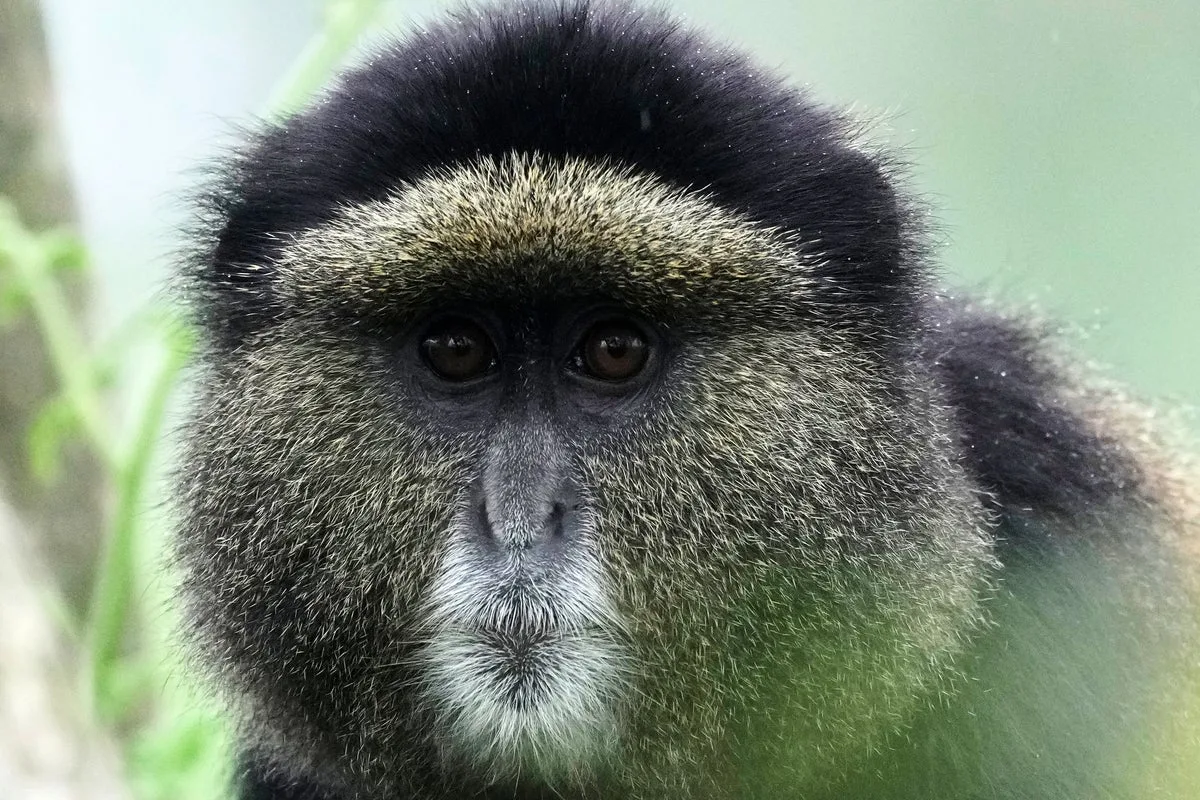
A new technology known as environmental DNA (eDNA) is revolutionising wildlife conservation in Rwanda's Volcanoes National Park, enabling researchers to identify endangered species such as golden monkeys and mountain gorillas from genetic material left in soil and water.
Introduced by the African Wildlife Foundation in partnership with the Rwandan government, eDNA reduces the need for intrusive human interaction during wildlife surveys, which is particularly challenging in the park's rugged terrain and dense vegetation.
Patrick Nsabimana, the foundation's country manager for Rwanda, said eDNA complements existing methods like camera traps and ranger observations, offering a cost-effective approach for monitoring large ecosystems. Samples are collected from locations such as downstream ponds and tested for multiple species simultaneously.
Deogratias Tuyisingize, a biodiversity researcher with the Dian Fossey Gorilla Fund, noted that combining traditional methods with eDNA ensures no species are missed, especially in steep ravines and mountainsides. The technology also aids anti-poaching efforts by pinpointing endangered species' locations.
However, eDNA has limitations: it cannot reliably estimate population sizes, and DNA can persist after a species has left. Processing samples locally remains a challenge, with initial samples sent to Europe for analysis. Africa also has limited genetic reference libraries, making species identification harder.
Despite these hurdles, the project trains local residents and rangers to collect samples, helping to monitor biodiversity as Rwanda expands national parks into rehabilitated agricultural land. This allows conservationists to track species colonisation and detect invasive species early.




