
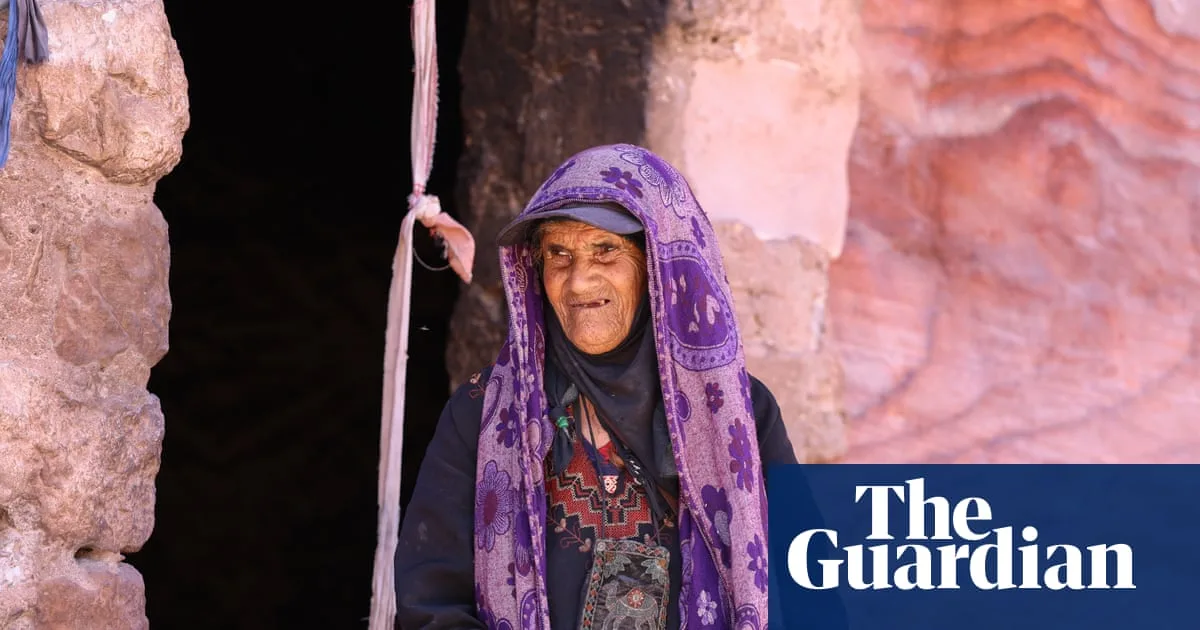
Plans to improve the ancient city of Petra as a world heritage site are threatening the living culture of its Bedouin inhabitants, say locals and campaigners. The Bdoul community, who have lived in the caves for about 200 years, face eviction as part of a major development programme aimed at boosting tourism.
Mohammed Feras, a 44-year-old farmer and occasional tourist guide, has lived in a complex of four 2,400-year-old caves with his wife and nine children. 'I have lived here all my life. I’ve never been anywhere else and I cannot imagine not living here,' he said. 'This area is part of who I am and I cannot leave it.'
Officials argue that the Bdoul are living illegally on the site and that their use of the caves as homes, animal shelters and shops risks causing irreparable harm. Dr Fares Braizat, chief commissioner of the Petra Development and Tourism Region Authority, said: 'If we want to preserve the integrity of the site for future generations then we have to stop the use of the caves for damaging activities.'
Human Rights Watch has called on Jordan to halt the evictions. Adam Coogle, a Middle East director at the organisation, said: 'Jordan’s displacement of the Bdoul from their historic homes in Petra puts their culture at risk.' The Bdoul have rejected offers of alternative housing, with Feras saying he was sent to prison for failing to pay a fine for damaging a heritage site, a charge he denies.
The evictions began in late 2024, targeting around a dozen extended families. Campaigners accuse authorities of using coercive tactics, while residents insist they are guardians of the caves, not destroyers. 'We just live the way we have lived for hundreds of years,' Feras said.




