Unveiling the Hidden World of Bat Guano in Mozambique's Caves
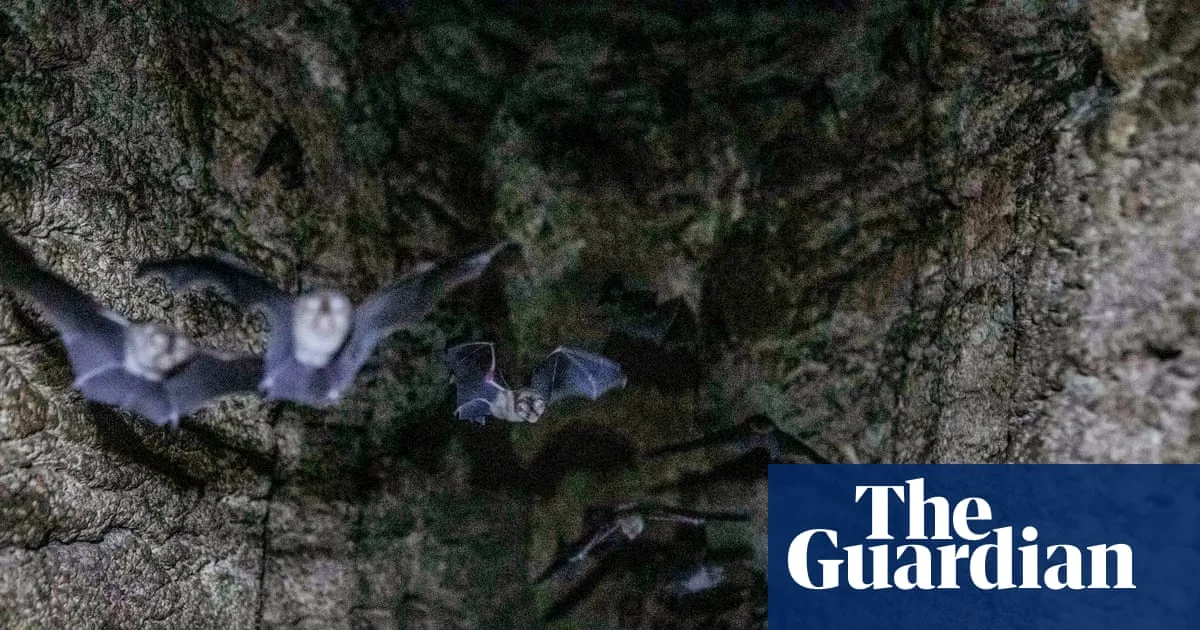
In the shadowy depths of caves near Inhaminga, Mozambique, a remarkable natural spectacle unfolds each day as thousands of bats take flight. Gorongosa National Park, a sprawling 4,000 square kilometre reserve in central Africa, harbours over 100 bat species within its labyrinthine cave systems, with some caverns hosting more than 10,000 of these winged mammals. This biodiversity hotspot is now the focus of groundbreaking research into the ecological significance of bat droppings, known as guano.
The Scientist Delving into Darkness
Raúl da Silva Armando Chomela, a molecular biologist from Beira, Mozambique, has dedicated two years to studying these caves and their inhabitants. Equipped with latex gloves, a helmet-mounted headlamp, and a protective mask, he navigates claustrophobic, damp environments where sunlight never reaches. "Guano is far more than just bat droppings," Chomela asserts. "If I had to describe it in one word, I'd say 'ecosystem'." Developed from accumulated faeces, guano forms a rich, organic material that sustains cave-dwelling beetles, frogs, and salamanders, creating unique microbiomes adapted to niche conditions.
A Park Reborn from Conflict
Gorongosa's history is marked by turmoil. Established in 1960 under Portuguese colonial rule, the park became a battleground during Mozambique's civil war, which erupted in 1977. Renamo guerrillas, supported by Rhodesia and apartheid South Africa, decimated wildlife, wiping out 95% of animals including nearly all hippos. The trauma lingers for local communities, yet decades of conservation efforts have sparked a remarkable recovery. International collaborations, increasingly involving Mozambican researchers, have transformed Gorongosa into a beacon of successful environmental restoration in Africa.
Cutting-Edge Research and Community Engagement
Chomela's work is part of the Paleo-Primate Project, a partnership between Oxford University and Gorongosa National Park led by primatologist Susana Carvalho. This initiative brings together experts in biodiversity, genetics, and archaeology, making the Gorongosa Restoration Project a key employer and economic stabiliser in the region. As a doctoral student at the University of Porto, Chomela heads the genetics laboratory at the EO Wilson Laboratory in Chitengo, employing advanced techniques like metabarcoding to analyse environmental DNA from bats and primates.
His research aims to understand bat diets, including their consumption of insects like malaria-carrying mosquitoes and crop pests, which benefits local agriculture. "We know that bats feed on insects – including mosquitoes that are malaria vectors – and pests, which protects crops," Chomela explains. By studying guano production rates and composition, he seeks to promote sustainable harvesting practices. Currently, locals earn about 200 meticais (£2.33) for every 50kg of guano collected, used as fertiliser for sorghum, beans, and maize due to its high nitrogen, phosphorus, and potassium content.
Balancing Livelihoods and Conservation
However, unregulated guano harvesting threatens cave ecosystems. "When they see the guano, they see money. But guano is the thing that guarantees stable environmental conditions in caves, from the 100% humidity or 50°C temperature that some bats need to survive," Chomela warns. Overharvesting can sterilise caves, forcing harvesters to move on and deplete resources. To address this, Chomela collaborates with community leaders like João Lorenço Daoce, a 29-year-old guide from Inhaminga, to share scientific insights and foster coexistence.
Through metabarcoding, Chomela collects bat droppings to analyse DNA, revealing dietary habits, sex ratios, and pathogens. This data aims to counter misconceptions, such as bats being bad omens or disease carriers. "There are those who believe that if bats come to your home, someone will die," he notes. "It's important to show that this isn't the case." By empowering locals with evidence-based knowledge, he hopes to transform them into protectors of these fragile ecosystems, ensuring a sustainable future for both wildlife and people in one of Africa's most biodiverse regions.