
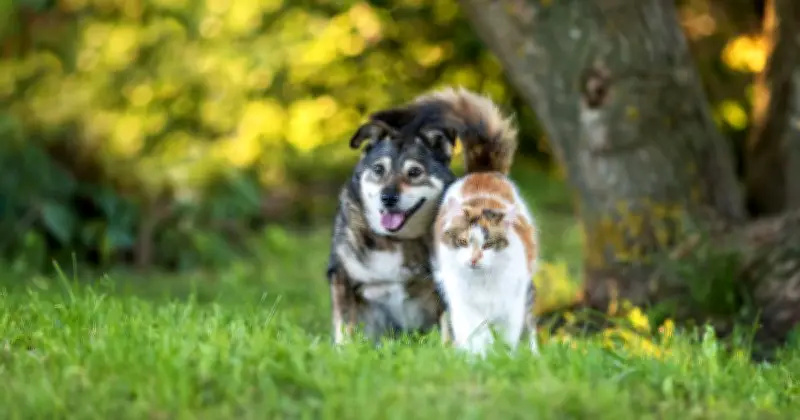
Pet owners are being warned about 10 popular garden plants that pose serious risks to dogs and cats if chewed or eaten. David Wilson Homes worked with Woodgreen Pet Charity's team of dog, cat and small animal behaviour specialists to identify hidden hazards and recommend safer alternatives.
Toxic plants to avoid
Lilies are especially dangerous for cats, while daffodils, tulips, crocuses, azaleas, rhododendrons, foxgloves, laburnum, lily of the valley, hyacinths and yew can all cause harm. Plant toxicity can vary between animals, so always check whether a new plant is safe for your individual pets.
Pet-friendly replacements
Instead of lilies and daffodils, opt for lavender and sunflowers. Replace tulips with snapdragons, crocuses with marigolds, azaleas and rhododendrons with petunias, foxgloves with cornflowers, laburnum with pansies, lily of the valley with violets, and hyacinths with honeysuckle. Yew should be removed entirely from gardens.
Additional garden safety tips
Sue Ketland, Dog Behaviour and Training Specialist at Woodgreen Pet Charity, emphasised the importance of securing garden boundaries. She said: “When designing a garden, it is important to understand how pets will use the space. Begin by checking fences, gates and boundaries for gaps, loose panels or areas where pets can escape.”
She also urged caution with gardening supplies: “Store garden chemicals, such as pesticides, weed killers and fertilisers, and sharp tools securely. If you keep a compost heap, ensure your pet cannot access it, as moulds or bacteria growing in compost can be harmful if ingested.”
Artificial grass is not recommended for pet households. Sue explained: “While easy to maintain, artificial grass is best avoided as it can become very hot in warm weather and uncomfortable for sensitive paws. It also poses a risk to rabbits and guinea pigs if ingested.”
Finally, pets need protection from heat. She noted: “Trees and shrubs provide natural shade, but it is also important to offer covered areas for resting and quiet areas for retreating.”




