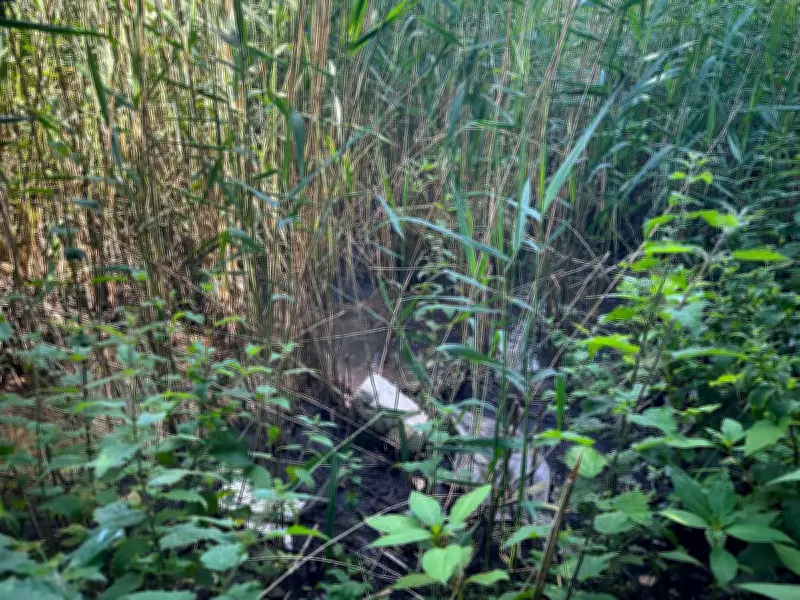
The Environment Agency is investigating suspected pollution in Bidston Stream, a watercourse in the Wirral, Merseyside, following concerns raised by a member of the public. The stream, which runs through Wallasey and parallels the Merseyrail line near Wallasey Village station, was reported to appear "biologically dead due to a huge amount of contaminated water coming in from the culvert," according to the complainant.
Environment Agency Response and Investigation
Specialist officers from the Environment Agency have attended the site and are reviewing data from storm overflows to identify potential permit breaches. A spokesperson for the agency stated: "We have attended the site and are reviewing data from storm overflows to identify potential permit breaches. We will not hesitate to take further action if this has happened."
The agency also instructed United Utilities to investigate its drainage systems, which led to the identification of several properties with drainage misconnections, where wastewater pipes have been incorrectly connected to surface water drains. The property owners have been notified, the spokesperson added.
Misconnections and Enforcement
While water companies lack statutory powers to take enforcement action against misconnections, United Utilities says it collaborates with the Environment Agency, local authorities, and other stakeholders to investigate such instances. The Environment Agency encourages members of the public to report suspected pollution incidents via its 24/7 hotline at 0800 80 70 60.
A United Utilities spokesperson confirmed ongoing investment to address the issue: “We have already completed the first phase of a project to increase capacity in the local sewer network and help reduce storm overflows, with the second phase – which includes the installation of an underground stormwater storage tank – due to get underway later this year.”
Progress on Storm Overflow Reduction
The spokesperson highlighted progress: “Storm overflow operations across the North West have fallen for the past two consecutive years, delivering a combined 38% reduction in spills since 2023. Our ongoing investment will support our commitment to cut storm overflow activations by 60% by 2030, with a 47% reduction already achieved.”