
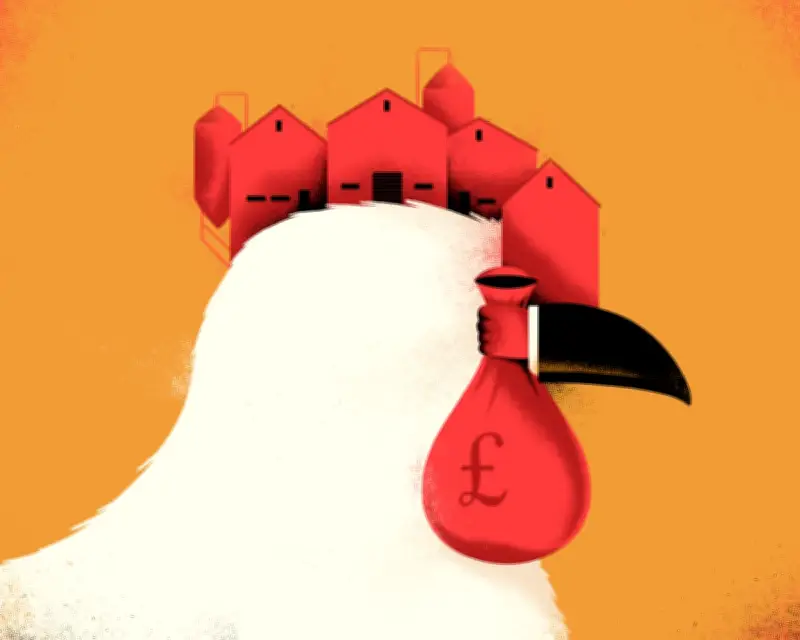
In a scathing column, George Monbiot argues that UK environment secretaries have become mere portals for corporate lobbyists, failing to protect ecosystems. He notes that the last secretary to represent the public interest was Michael Gove, despite his controversial legacy elsewhere.
Outgoing secretary's final acts
Monbiot criticizes outgoing environment secretary Emma Reynolds for spending her final weeks trying to ease planning restrictions on industrial chicken factories. Before a parliamentary committee, she complained about planning constraints holding back investment, saying, “I want to bring down these barriers as much as you do.” She spoke to other departments to make permission easier. Neither she nor MPs questioned the environmental impact, focusing only on industry demands.
The factories generate vast amounts of dung that washes into rivers, killing aquatic ecosystems. Monbiot argues that granting planning permission effectively condemns local waterways. Reynolds, a former financial sector lobbyist, appeared to side with industry over ecosystems.
New secretary's record
New environment secretary Angela Eagle, as Reynolds's deputy, pushed for poultry industry planning reforms, telling chicken lobbyists that “planning should enable ambition, not stifle it.” Monbiot questions whether she will take Andy Burnham's “circuit breaker” promise seriously and abandon appeasement of the destructive industry.
Food security claims disputed
Reynolds claimed boosting poultry would enhance food security, but Monbiot counters that chicken feed is imported or grown on land that could feed people directly. He notes that 109g of soya produces 100g of chicken breast. The industry is controlled by a few giant companies, undermining security. Reynolds also announced she would disregard Climate Change Committee targets to reduce livestock numbers.
Farming and Food Partnership Board
Reynolds and Eagle set up the Farming and Food Partnership Board to encourage closer collaboration between farming, industry, and government. Its only members are ministers and corporate representatives. One objective is a “poultry sector growth plan” to address planning barriers.
Nature delivery plan criticized
Reynolds's “delivery plan” to restore nature is described as a catalogue of vague hopes, effectively doing nothing for fear of offending landowners. It fails to protect 30% of land by 2030, with her legacy being less nature and less resilience.
Worse proposals ahead
Monbiot warns of Starmer's proposed “regulating for growth bill,” which may create pop-up freeports where rules don't apply. He sees this as a test of Burnham's promise to end neoliberalism. He concludes by asking whether the environment secretary will break corporate power and defend the living world.




