The Victorian Greens are borrowing policy ideas from progressive leaders overseas, including New York Mayor Zohran Mamdani, to combat rising right-wing populism in the state. On Monday, the party will unveil a new land tax bracket targeting investment properties worth more than $5 million, with revenue used to double public housing and scrap stamp duty for first home buyers.
New Land Tax Proposal
Under the plan, effective from 1 January 2027, affected properties would face a base charge of $100,000 plus a 5.3% rate on land value above the $5 million threshold. The policy, costed by the Victorian Parliamentary Budget Office, is projected to raise approximately $1.46 billion by 2028/29 or $6.4 billion over a decade. Owner-occupied homes are exempt.
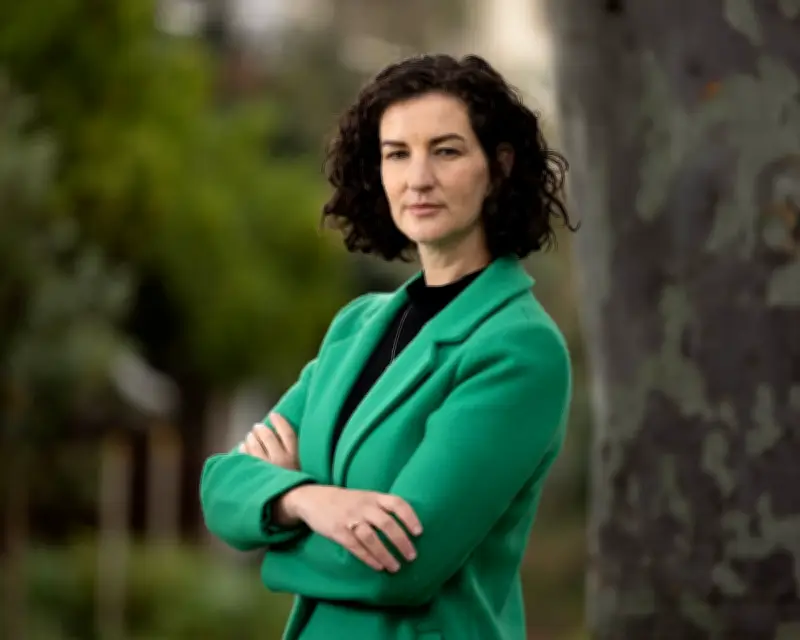
“People who have more than $5 million in investment homes that they don’t even live in can afford to pay a little bit extra so that everyone can afford a home,” said Victorian Greens leader Ellen Sandell.
Inspiration from Overseas
Sandell cited New York Mayor Zohran Mamdani’s “tax the rich” levy on second properties over $5 million as inspiration. The Greens have also engaged with international progressive figures; last month, Zack Polanski, leader of the Green Party of England and Wales, addressed the Victorian Greens’ campaign conference, urging them to directly challenge One Nation as he had with Reform.
Sandell says the party offers a “genuinely progressive, hopeful and bold” alternative to the major parties. However, some political observers remain sceptical about the Greens’ ability to lift their vote significantly.
Changing Political Landscape
Victoria has long been a Greens stronghold, but recent setbacks include losing the seat of Prahran to the Liberals in a February byelection and federal leader Adam Bandt losing Melbourne in May. Sandell acknowledges “a lot has changed” in the past year, noting that “people are genuinely fed up with Labor, but they know the Liberals will be worse, and One Nation will be disastrous.”
Damon Alexander, a senior lecturer at Swinburne University, expects protest votes to flow toward “populist right-wing parties” rather than the Greens, particularly in outer suburban areas where the Greens are “really on the nose.” Benjamin Moffitt of Monash University adds that the Greens are “a victim of their success in a way, because they look like a polished political outfit, which limits their ability to present themselves as an anti-establishment or an insurgent populist party.”
Polling and Grassroots Activity
Sandell rejects claims of stagnation, citing a Demos poll from June showing the Greens at 15% primary vote, up from 11.5% in 2022. The same poll showed Labor at 21% (down 13.6 points), Liberals at 30% (down 4.5 points), and One Nation at 23% (up from 0.22% in 2022). The poll had a margin of error of 3.8%.
Sandell says seats beyond Northcote and Prahran, including Albert Park, Pascoe Vale, and Footscray, are in play, and grassroots activity is increasing. More than 700 people have signed up to volunteer in the past three weeks, and the party has knocked on 4,575 doors and held 1,379 conversations with voters across key seats between 8 and 22 June—well above Labor.
Outlook for November
Sandell predicts commentators will be “surprised” by the Greens’ performance in November, despite lacking “big corporate donors” and facing criticism from Sky News. “What we do have is hundreds of people door knocking every single weekend, right across the state,” she says. Whether that momentum can counter the rise of right-wing populism remains to be seen.