
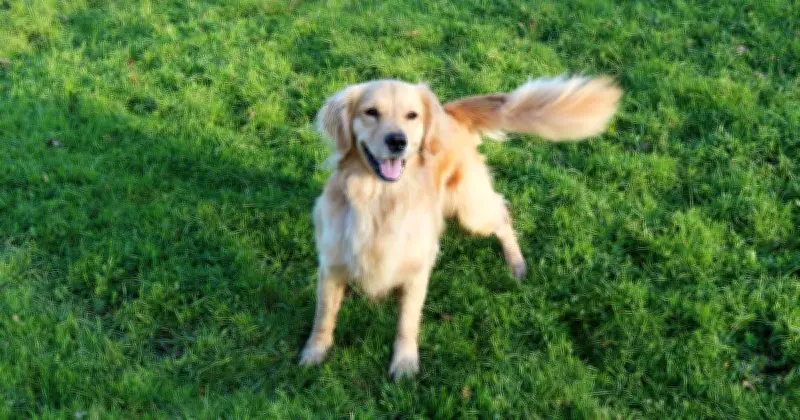
Understanding what your dog means when it wags its tail is more complex than you think. Many dog owners assume a wagging tail signifies a happy dog, but the reality is far more nuanced, according to veterinary experts.
Tail Wagging: A Complex Language
The elevation, speed, and stiffness of a wag can communicate a spectrum of emotions, from joy to anxiety. A raised, loose wag typically suggests enthusiasm, while a low, slow wag may indicate discomfort or apprehension. Dr Julian Norton, a vet representing Pure Pet Food, explains that these subtle signals are crucial for understanding your pet's emotional state.
Other Canine Communication Signals
Dogs use various methods to express themselves, including licking and nuzzling. Dr Norton says, "People sometimes ask why dogs nudge and nuzzle with their noses. Part of the reason is that dogs really feel part of the family and part of the tribe, and they're trying to get attention by nuzzling you." Licking often serves as a bonding mechanism or emotional communication, whether it's a gentle lick on the hand or an enthusiastic one on the face.
Surprisingly, dogs can appear to "smile" when feeling playful or happy. While it differs from a human smile, certain dogs curl their lips in a manner resembling a grin. When combined with relaxed body language and a wagging tail, this facial expression is a sure indicator of a contented dog.
Strengthening Your Bond
By learning to read these signs—from licks to tail wags and smiling faces—you can nurture a deeper connection with your four-legged companion and help your dog become happier and more confident.




