United States Experiences Second-Warmest Winter on Record
Federal meteorologists have confirmed that the continental United States just endured its second-warmest winter in recorded history, with nine individual states breaking or tying their own heat records. While residents in the East and Midwest battled blizzards and freezing temperatures, the overall national average told a dramatically different story of unusual warmth.
Record-Breaking Temperatures Across the Nation
The Lower 48 states averaged 37.13 degrees Fahrenheit (2.85 degrees Celsius) during the meteorological winter period from December through February. This measurement comes in just one-third of a degree below the all-time warmest winter record set just two years ago. These records are particularly significant as they extend back 131 years through the National Oceanic and Atmospheric Administration's comprehensive data collection.
The typical winter average temperature for the United States stands at 32.2 degrees Fahrenheit (0.1 degrees Celsius), making this year's figures notably higher. Russell Vose, NOAA's climate monitoring chief, explained that the elevated national average was primarily driven by conditions west of the Mississippi River, where winter essentially failed to materialize in many areas.

Regional Disparities in Winter Conditions
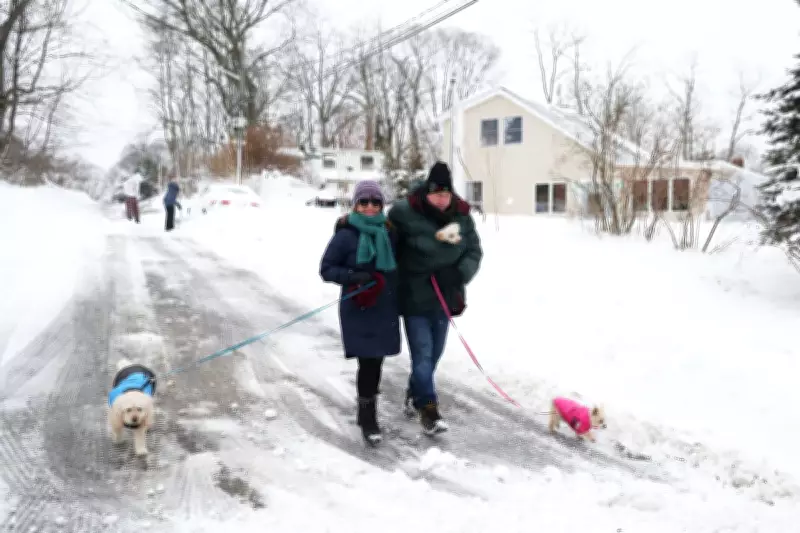
"The East, especially the Northeast, had winter," Vose stated clearly. "In the West, there were certainly places where you could say we missed the winter altogether." This created a striking geographical divide, with the West experiencing record or near-record warmth throughout the entire season while the East faced cold spells that, while noticeable, paled in comparison to the extreme heat patterns observed elsewhere.
The nine states that broke or tied records for their warmest winter included Arizona, Colorado, Nevada, New Mexico, Oklahoma, Oregon, Texas, Utah, and Wyoming. Remarkably, eight of these record-warm states rank among the top ten in land area within the Lower 48. By contrast, Delaware recorded the coldest ranking among states, but this only amounted to its 28th coldest winter on record, and Delaware happens to be the nation's second-smallest state.
Monthly Breakdown and Historical Context
February emerged as the fourth-warmest on record nationally, with five states—Arizona, Colorado, New Mexico, Oklahoma, and Wyoming—experiencing their warmest February ever documented. January ranked as the 24th-warmest month nationally, while December came in as the fifth-warmest.
Jeff Masters, a meteorologist with Yale Climate Connections, provided important context about the Eastern cold spells. "We had a pretty impressive long stretch of unbroken cold that was very notable," Masters acknowledged. "But the total duration for the whole winter, not so much." This observation highlights how even significant cold periods were ultimately overshadowed by the broader warming trend.
The long-term data reveals an even more concerning pattern. Over the past fifty years, winter temperatures in the Lower 48 states have warmed by 3.95 degrees Fahrenheit (2.19 degrees Celsius), a rate of increase that far exceeds warming observed during any of the other three seasons. This acceleration of winter warming presents significant implications for ecosystems, water resources, and seasonal patterns across the country.
The combination of record-breaking state temperatures, regional disparities between East and West, and the clear long-term warming trend creates a comprehensive picture of a winter season that defied historical norms and expectations across much of the United States.