
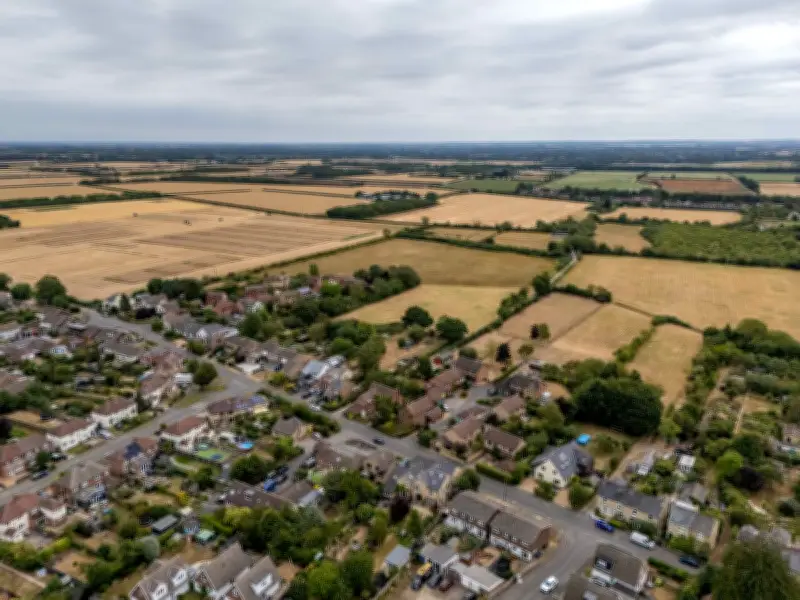
Residents of Histon, the driest village in Britain, have been forced to adopt a “Mediterranean lifestyle” to cope with weeks of hot, dry weather that has left grass scorched, ponds depleted and gardens struggling to survive. The village, north of Cambridge, has recorded just 196.4mm of rainfall since January 1, making it the driest place in the UK, according to the Met Office.
By July 19, the total was less than half that recorded during the same period in 2024, while virtually no rain had fallen since June 26. A hosepipe ban has been in force across the Cambridge Water region since July 9, forcing many residents to completely change their living routine.
Residents adapt daily routines
Jo Catterick, 62, said she has taken inspiration from countries used to living with soaring temperatures. “I’m living like a middle aged Greek woman - where you see them close the shutters at 11 o’clock and get all their jobs done first thing in the morning. They live their lives more in the evening, which I think people are doing much more now, it’s much less busy in the day,” she said.
Julie Dunn, 62, said the duck pond on the village green was at the “lowest level” she had ever seen. “It’s a very beautiful area, and it’s very pretty, but it doesn’t look at it’s best - it’s just brown and burnt,” she said. Dunn has resorted to using bath water to keep her plants alive. “The dry weather means I’m having to water and be very careful - we have a bucket in the shower, and we save all our grey water, and we use that for the garden. We always put a bucket in when we have a shower to get the excess - washing up water, we always put in the water butt to try and avoid filling our watering cans from the hose,” she added.
Impact on local businesses and gardens
Not everyone has felt the impact in the same way. At the Rose and Crown pub, landlord Steven Snudden, 39, said the sunshine had encouraged more customers through the doors despite ruining his garden. “People are just as thirsty for beer, so that helps me, I guess. Customer-wise, we’ve been just as busy, if not busier recently. My garden was growing lovely, but it got trashed in a few days because of people walking on it. Not being able to water the lawns has had quite an impact for the pub. It’s brown with patches of mud,” he said.
Four miles away, Cambridge University Botanic Garden has recorded only 209.5mm of rainfall over the same period. Head of horticulture Sally Petitt said the garden was increasingly looking towards plants better suited to the climate scientists expect Britain to experience. “We’re actually focusing some of our expeditions and plant-collecting trips on countries that have climates similar to that which we’re forecast to have in the future. We’ve always traditionally grown Mediterranean plants well because of our low rainfall and our local conditions, and well-drained soils, so it’s expanding those kind of collections, and thinking of those as being the norm, rather than the exception,” she said.
Research into drought resilience
The National Institute of Agricultural Botany (NIAB), which recorded Histon’s rainfall total and has its main Cambridge site in the village, said the conditions were helping researchers understand how crops could cope with future droughts. NIAB head of communications Ros Lloyd said: “Across UK agriculture, prolonged dry conditions can reduce crop yields, place pressure on water resources, affect livestock feed availability and increase the financial uncertainty faced by farmers. At Niab, drought tolerance and the impact of climate change on crop production are key areas of our work. The extreme conditions experienced this season offer a real-world backdrop in which to study how different crop varieties respond to water stress, identify traits associated with resilience, and develop strategies that can help farmers adapt to a changing climate.”




