
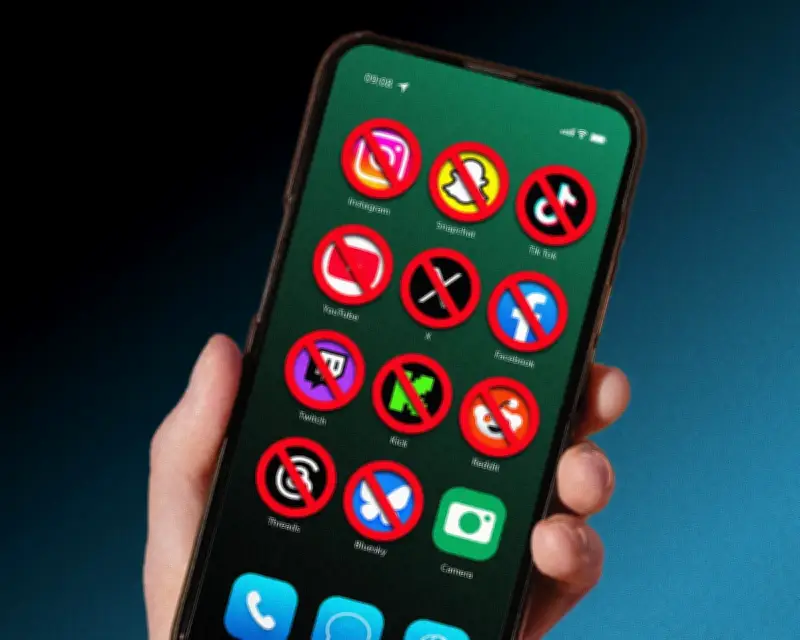
The UK will implement a social media ban by spring 2027, setting a minimum age of 16 for major platforms. This move follows Australia's precedent and reflects growing global momentum to restrict children's access to social media.
Global Trend Toward Age Restrictions
Arturo Béjar, a former Meta engineer and whistleblower, said parents worldwide dread their children going online. He noted, “I’ve spoken to parents from several countries, and I have yet to meet a parent of young kids who is not dreading when they’re old enough to go online. Or a young person who has not experienced something awful and preventable.”
Indonesia and Malaysia have introduced bans for under-16s on certain platforms. Austria, France, and Norway are also considering age restrictions. Brazil has banned mobile phones in schools, and children under 16 can only access social media if linked to a parent’s account. Canada will bar under-16s unless platforms implement adequate safeguards.
Tech Industry Lobbying and Pushback
Tech companies are fighting back. In the EU, big tech spent approximately €150m (£130m) on lobbying last year, a third increase in two years, with social media high on the agenda. Meta was the biggest spender at €10m, according to campaign groups Corporate Europe Observatory and LobbyControl.
In the US, tech companies lobby against the Kids Online Safety Act (Kosa). Meta has one lobbyist for every six members of Congress, and between 2020 and 2024 big tech spent $260m on federal lobbying. Meta said it wants “uniform national standards for online youth safety.”
Legal and Political Landscape
Recent US trials ruled Meta liable for deliberately designing addictive products and misleading consumers. Meta disagreed and will appeal, stating that teenagers’ mental health is “profoundly complex” and cannot be reduced to a single cause. The company remains committed to building “safe, supportive environments for young people.”
Donald Trump’s White House has criticized tech regulation abroad, including a “disproportionate” UK ban. A federal ban in the US is unlikely due to political gridlock, the First Amendment, and big tech’s economic status. Darrell West of Brookings Institution said state bans are “not likely on a widespread basis.”
Impact and Expert Views
Theo Bertram, director of the Social Market Foundation and former TikTok executive, called the UK announcement a global “tipping point.” He said, “The history of legislation is you have one or two outliers. And then when you start to get countries that have a regulatory influence in the world, like the UK, joining countries like Australia – then it becomes a tipping point.”
Bertram added that populism has accelerated the process, making the legislative cycle seemingly endless. “Tech companies are losing public opinion and politicians are going to move on that.” He warned that tech regulation is becoming driven by public sentiment rather than expert-led policymaking.
A tech company source expressed frustration that inconsistent safety efforts among rivals make regulation more likely. “You’re throwing the baby out with the bathwater,” they said, referring to Australia’s ban, which they claimed does not encourage safer design and has high circumvention.
Despite acknowledged benefits, the UK government cited “known harms” from social media, especially to high-risk individuals, and decided risks outweigh benefits for under-16s. Béjar concluded, “Young people deserve online spaces that are designed for them.”




