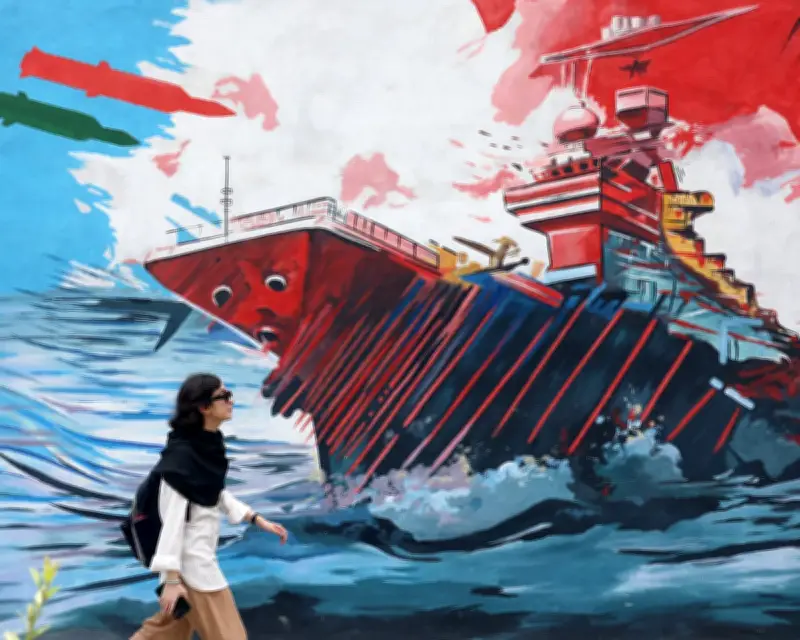
The US has attacked Iran for the eleventh consecutive night, hitting aircraft hangars and drone storage sites across the country. It came after Iran launched retaliatory strikes on US air bases and neighbouring Gulf states, which have accused it of deliberately targeting desalination plants that are essential to life in the region. Each side now claims it is preventing the other from gaining control over the strait of Hormuz, through which 20% of the world’s oil was shipped before the war began. Vessels carrying crucial shipments of oil, gas and fertiliser remain at a standstill.
Operation Epic Fury and Miscalculations
“Operation Epic Fury” started with the aim of regime change. Since then, its objective has morphed into reopening the strait and undoing the damage caused by the US and Israel’s decision to start the war. The president drastically underestimated Iran’s capacity for enduring pain, and is now trying to bomb his way out of a conflict that he created.
“He thought he would go down in history as the American president who had resolved the Iran problem,” Vali Nasr, professor of International Affairs and Middle East Studies and author of Iran’s Grand Strategy, told the Guardian. “In his mind, this was a legacy-building transformation that would be quick and cost-free.”
Ceasefire Breakdown and Escalation
A ceasefire memorandum signed on 17 June broke down when Iran fired on three commercial tankers that had used a shipping lane close to the shores of Oman. Trump called Iran’s leaders “scum” and declared the ceasefire “over” earlier this month. The US mission has shifted towards ensuring oil shipments could move through the strait.
“The US is now in a situation where it either has a long, protracted war, which would keep the strait closed, or keeps escalating to the next level with the hope of knocking Iran out,” Nasr says.
Global Economic Shockwaves
Inflation caused by rising oil prices is making everyday life more expensive and hiking the costs of borrowing for governments. If there is no agreement until 2027, some are predicting global growth could fall by 1.3%, if not more. Europe may be uniquely exposed: since the Russia-Ukraine war, the continent has turned towards the Middle East for its gas, particularly to Qatar, which has had to slow production during the conflict.
International Law at Risk
Trump briefly suggested that the US could charge tolls on ships entering the strait, despite European leaders and even Marco Rubio, his own secretary of state, having previously said these would be incompatible with international law. Freedom of navigation is a cornerstone of international law: without it, shipping starts to resemble a protection racket, where nations extract fees from passing vessels.