
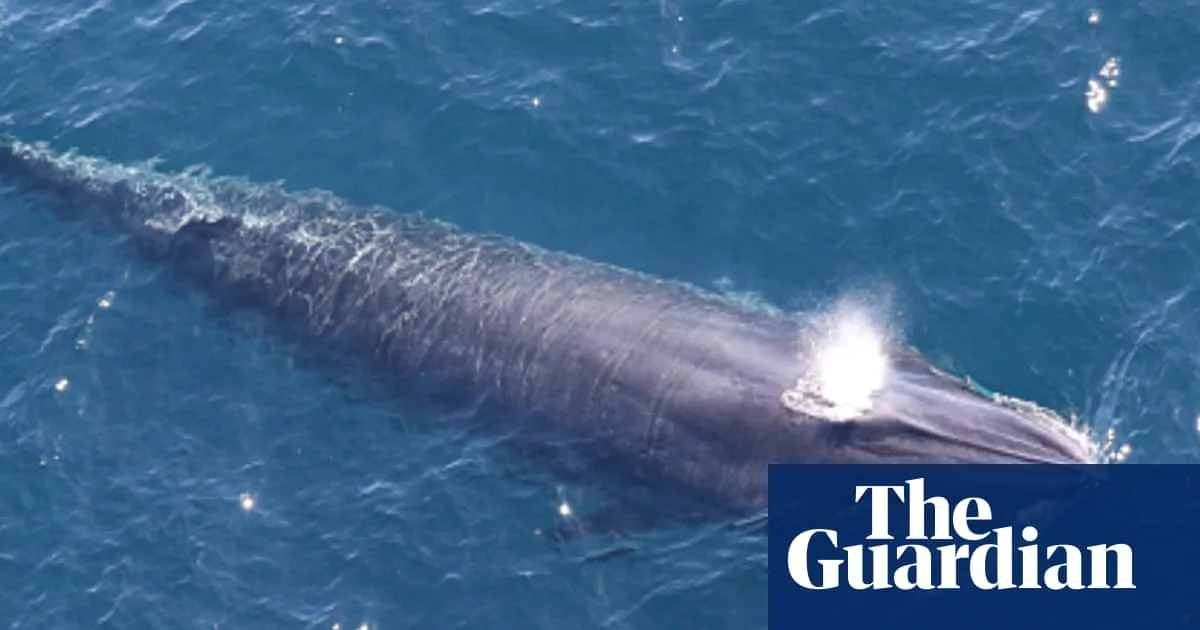
A US government panel has exempted oil and gas drilling in the Gulf of Mexico from the Endangered Species Act (ESA), a move critics say could push the rare Rice’s whale to extinction. The Endangered Species Committee – nicknamed the ‘God squad’ – voted unanimously on Tuesday to approve the exemption at the request of Defence Secretary Pete Hegseth.
Hegseth argued that environmental lawsuits against the industry threatened national energy security, while environmentalists fear drilling could kill off protected species including Rice’s whales, whooping cranes and sea turtles. Only about 51 Rice’s whales remain, and their population was devastated by the 2010 Deepwater Horizon oil spill, which leaked about 210 million gallons into the Gulf.
The committee, chaired by Interior Secretary Doug Burgum, includes several Trump administration officials. Hegseth notified Burgum on 13 March that an ESA exemption was “necessary for reasons of national security”, citing global oil shocks and soaring energy prices from the Iran war. He told the panel that Iran’s efforts to block shipping through the Strait of Hormuz underscored the need for robust domestic oil production.
Environmental groups condemned the decision. Steve Mashuda of Earthjustice said: “The Trump administration is exploiting its self-made gas crisis to get rid of protections for endangered whales.” He added that the move would lead to “devastating oil spills and the destruction of ecosystems”. Groups have pledged to challenge the exemption in court.
The Gulf of Mexico accounts for more than 10% of US crude oil production. The Trump administration has made increased fossil fuel production a central focus, approving BP’s new $5bn ultra-deepwater drilling project in March. A spill earlier this month spread 373 miles, contaminating seven protected natural reserves.




