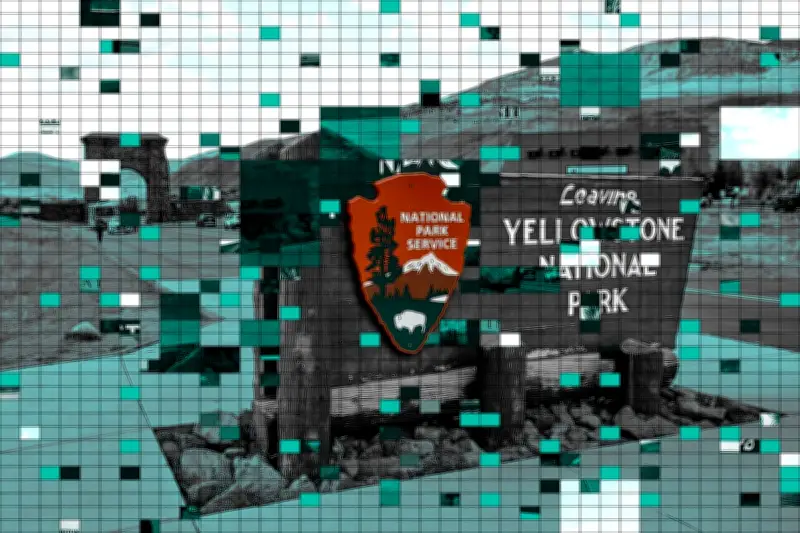
The Trump administration has removed or altered at least 60 signs across 38 national parks, targeting stories about slavery, Native American genocide, and climate change, according to a leaked database and court filings. The campaign, driven by an executive order, has drawn criticism from historians, former park rangers, and advocacy groups who say it whitewashes American history.
Leaked Database Reveals Widespread Censorship
In May 2024, the Trump administration gave park employees three months to review all content in national parks. Staff, whose ranks had been cut by more than 25%, flagged nearly 2,000 images and files. The database was leaked in March 2025 by an anonymous group calling themselves “civil servants on the front lines.” The Guardian verified the contents with multiple NPS staff.
One employee said they flagged materials by putting on “their white supremacist hat,” while another asked: “What would my bigoted neighbor not want to read about?” At Cape Hatteras National Seashore, signs about sea level rise were flagged because they “reduce the focus on the grandeur, beauty and abundance.” At Little Bighorn battlefield, staff used ChatGPT to determine if signs mentioning broken promises violated the order.
Removed Signs Documented in Court
An official list, revealed after a judge ordered the Interior Department to provide an inventory, showed at least 60 signs removed from 38 parks. Examples include a water bottle refilling station sign at Fort Sumter asking to reduce plastic waste, and a panel at Jamaica Bay wildlife refuge mentioning historical events “we hope never to repeat.” The Interior Department noted the list is incomplete.
“It’s pretty tragic what’s transpired,” said Bill Hayden, a former interpretive specialist at Glacier National Park for 31 years. “I was never in a situation where I felt an administration was dictating what could or could not be shared with the public.”
Historians and Advocates Push Back
Critics say the administration is erasing stories of marginalized groups. Anne Mitchell Whisnant, a history professor at Duke University, said the administration has “a very particular idea of whose stories are important.” Jerry Bransford, a former NPS ranger at Mammoth Cave, whose great-great-grandfather was an enslaved cave guide, fears his family’s legacy could be erased again. “The system has taken everything from them. So why would Mr. Trump and his administration want to at least take away their story?” he said.
In June 2025, a federal judge blocked further removals and ordered signs restored. US district judge Angel Kelley wrote that the administration “seeks to share a limited history by ordering the removal of all signs, displays, and interpretive exhibits at National Parks that do not align with its preferred narrative, thereby telling half-truths.” The Trump administration has appealed.
Staff Subvert Order to Report Disparaging Signage
Some park staff used the order to report existing signage that disparaged Native Americans. At Padre Island, staff flagged an exhibit incorrectly stating the Karankawa people no longer exist. At Horseshoe Bend, a monument was noted to “disparage and incorrectly honor destruction of the Muscogee (Creek) Nation.”
Despite the legal victory, advocates remain cautious. “We’ve won that particular battle, but I’m not sure we’ve won the war yet,” said Bill Wade, executive director of the Association of National Park Rangers. The case could take months as the administration appeals.