
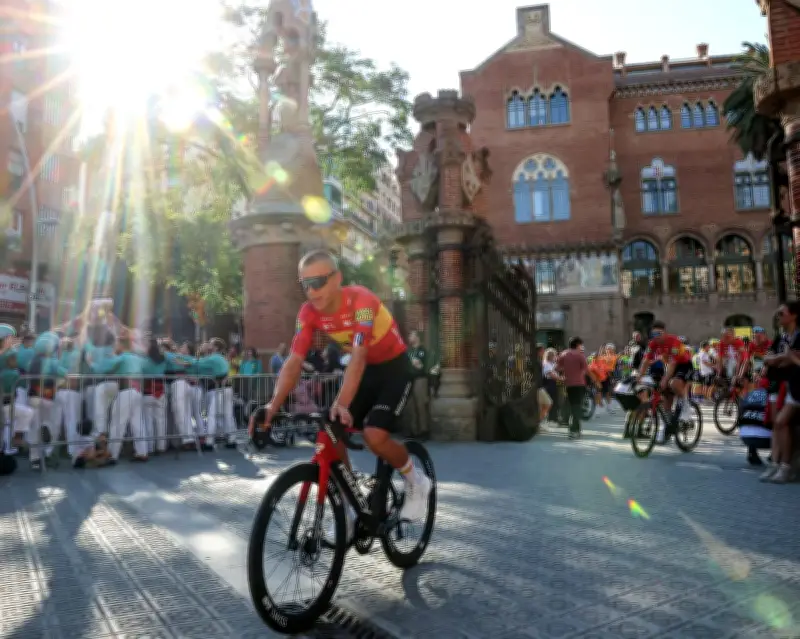
The 2026 Tour de France, starting in Barcelona on Saturday, is bracing for climate change disruption as an extreme heatwave threatens to cause the first-ever stage cancellations due to heat. Thierry Gouvenou, the Tour's technical director, said: 'It's something that's very much on our mind. It's not the first time we have faced this, but this time it's worse because of what we have already experienced in May and June.'
Heatwave Could Affect Sunday's Stage
Temperatures as high as 44°C have been predicted for regions in France and Spain, raising the possibility of stage cancellations. The second stage on Sunday, covering 168 undulating kilometres from Tarragona to Barcelona along the Mediterranean coast, could be affected. Recent races have already seen severe impacts; in the Tour de Suisse, overall leader Elisa Longo Borghini suffered heatstroke and lost nearly 10 minutes, experiencing extreme distress and memory difficulties at the finish.
Medical Risks and Protocols
Emilio Magni, medical director of the XDS Astana team, warned: 'Heatstroke is an extremely serious emergency. The temperature regulation systems in the brain begin to fail. Then cardiac activity, circulation and the dilation of blood vessels are affected. It is like a short circuit.' Current extreme weather protocols allow for extra feeding and drinking, but Gouvenou noted they have opened feed zones from start to finish and extended time limits, and used cold drink motorbikes. However, these measures may be insufficient for the forecasted furnace temperatures.
Calls for Earlier Start Times
Riders and officials have called for earlier stage starts to avoid mid-afternoon heat. Pascal Chanteur, president of France's professional cyclists union, said: 'Instead of having the stage starts as late as we do now, we should move them to nine in the morning to finish by two thirty in the afternoon.' However, international TV schedules dictate key moments occur in the heat of the day, limiting flexibility. Race director Christian Prudhomme explained: 'Over 28,000 policemen, emergency service staff and gendarmes are mobilised for the Tour route. These are not arrangements you make at the last minute. We can take a few kilometres out of the stage or start half an hour earlier, but that's not going to make much difference.'
Broader Impacts of Heatwave
The recent heatwave in France, the hottest since records began, caused a spike in fatalities, school and tourist attraction closures, and intensified demands on emergency services, which the Tour relies on for rider and spectator safety. The Tour has never cancelled a stage due to heat, despite past disruptions from wars, strikes, civil unrest, and the pandemic. This year's extreme weather poses an unprecedented challenge.




