Three English Counties Endure Wettest Winter in Recorded History
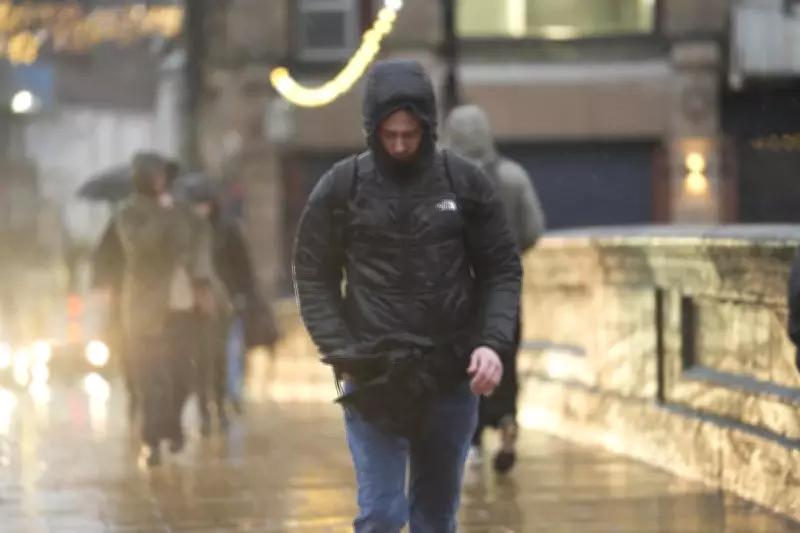
Provisional figures from the Met Office have confirmed that the winter of 2025/26 was the wettest on record for three English counties: Cornwall, Leicestershire and the West Midlands. This historic rainfall event has placed significant strain on local infrastructure and communities, with widespread flooding and travel disruption reported across many areas.
Southern England Experiences Fourth Wettest Winter Since 1836
While these three counties broke all-time records, southern England as a whole experienced its fourth wettest winter since comparable records began in 1836. The counties of Dorset and Warwickshire recorded their second wettest winters in this same period, highlighting the concentrated nature of the precipitation across central and southern regions.
The meteorological patterns behind this exceptional winter involved a persistent procession of low-pressure systems moving across the UK from the Atlantic Ocean. These systems brought repeated outbreaks of wet and windy conditions that dominated much of December, January and February.

Named Storms and Persistent Rainfall Cause Widespread Disruption
January proved particularly challenging with three named storms – Goretti, Ingrid and Chandra – all delivering substantial downpours to numerous areas. These storms triggered flooding events and caused significant travel disruption across transportation networks. The rainfall continued through much of February, with only the final days of the month bringing some relief through drier and sunnier conditions.
At a national level, the UK recorded 390.1mm of rainfall during winter 2025/26. This represents a 13% increase above the long-term seasonal average, though it remains well below the all-time national high of 539.9mm set during the winter of 2014.
Significant Regional Variations in Rainfall Totals
The rainfall distribution showed dramatic variations across different parts of the country:
- England received 42% more rain than usual across the three-month period
- Scotland finished the winter 14% below its seasonal average
- Northern Ireland received 27% more rain than the long-term average
- Wales experienced 20% more rainfall than typical winter levels
Within England itself, a clear geographical divide emerged. Northern England recorded rainfall 17% above average, while southern England experienced a staggering 58% increase above normal levels.
"The wet conditions were particularly pronounced across southern and central England, where saturated ground from early season rainfall left areas more sensitive to impacts from further wet weather," explained the Met Office in their analysis.
Multiple Counties Experience Historic Winter Rainfall
Beyond the record-breaking counties, numerous other areas experienced exceptionally wet conditions:
- Devon, Hampshire, Nottinghamshire and Northamptonshire all recorded one of their five wettest winters on record
- Berkshire, Kent, Oxfordshire and Surrey were among counties experiencing one of their top ten wettest winters
Climate Change Provides Important Context for Extreme Weather
The Met Office emphasized that while natural variability and atmospheric patterns heavily influenced this winter's weather, climate change provides crucial context for understanding these extreme events.
A warmer atmosphere can hold approximately 7% more moisture for every degree Celsius of warming, meaning that when rainfall does occur, downpours can be heavier and more intense. This characteristic is already being observed both in the UK and globally, with rainfall totals on the wettest days increasing over recent decades.
Mild Temperatures Accompany Wet Conditions
While precipitation dominated the winter narrative, temperature records also told an interesting story. Southern England experienced its eighth warmest winter since records began in 1884, with a mean average temperature across December, January and February of 6.16°C.

Notably, five of the top eight warmest winters in southern England have occurred this century, with 2016 holding first place at 6.99°C and 2024 in second at 6.69°C. February 2026 itself was the fourth warmest February on record for England and the ninth warmest for the UK as a whole.
Gloomy Conditions Despite Mild Temperatures
The mild temperatures did not translate to sunny conditions. Wales experienced its gloomiest February on record, while the entire UK endured its fourth gloomiest February. This combination of above-average rainfall, mild temperatures and limited sunshine created challenging conditions for agriculture, transportation and daily life across much of the country.
The Met Office's provisional figures highlight how climate patterns are creating new weather extremes, with this winter serving as a potent example of how increased atmospheric moisture can translate to record-breaking rainfall events in specific regions while other areas experience more typical or even below-average conditions.