
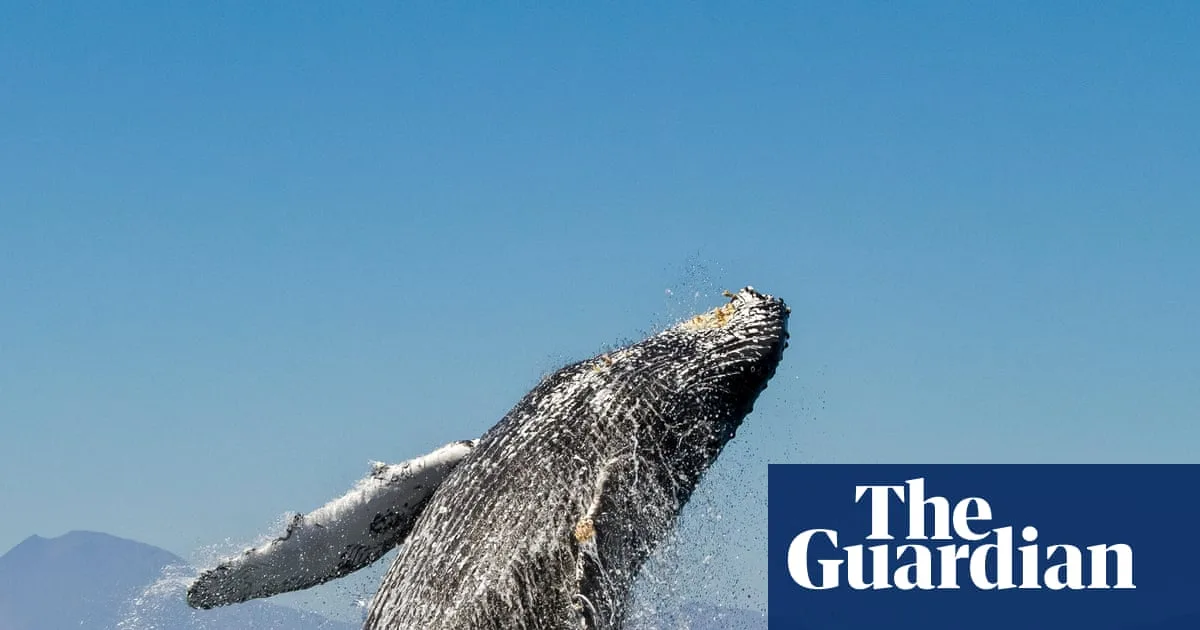
Some days it can feel as if climate catastrophe is inevitable. But history is full of cases – such as the banning of whaling and CFCs – that show humanity can come together to avert disaster. The story of how whales were saved from extinction is one such example.
Once upon a time, the world was powered by whale oil. To meet growing demand, whales were hunted almost to extinction. Then we discovered oil from the ground, and lamps switched to paraffin. But the whaling industry continued, and as late as 1964 more than 80,000 whales were killed. It took international regulation and a shift in public sentiment to end the slaughter.
In 1946, the International Whaling Commission (IWC) was established to regulate whaling, but it struggled. In 1982, it imposed a moratorium, and demand for whale products plummeted. By 2018, the IWC declared its purpose was to protect whales themselves. The transition was complete, showing that with concerted action, change is possible.
Today, we face a similar challenge with fossil fuels. The transition to clean energy is already happening faster than many predicted. Solar and wind costs have fallen dramatically – onshore wind by 70% and solar by almost 90% in the past decade. Renewables are being deployed at rates forecasters never imagined. But they need to move faster, and history shows we can do it.




