Thai Court Delivers Landmark Ruling in Gold Mine Pollution Case
A Thai court has delivered a significant verdict, holding a major gold mine operator accountable for toxic contamination that has harmed nearby villagers. This ruling, issued on Tuesday, represents a pivotal moment in environmental justice within Thailand and could influence future climate litigation across Southeast Asia.
Decade-Long Legal Battle Culminates in Victory for Villagers
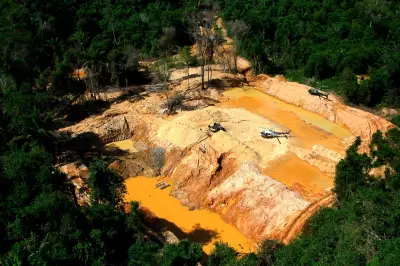
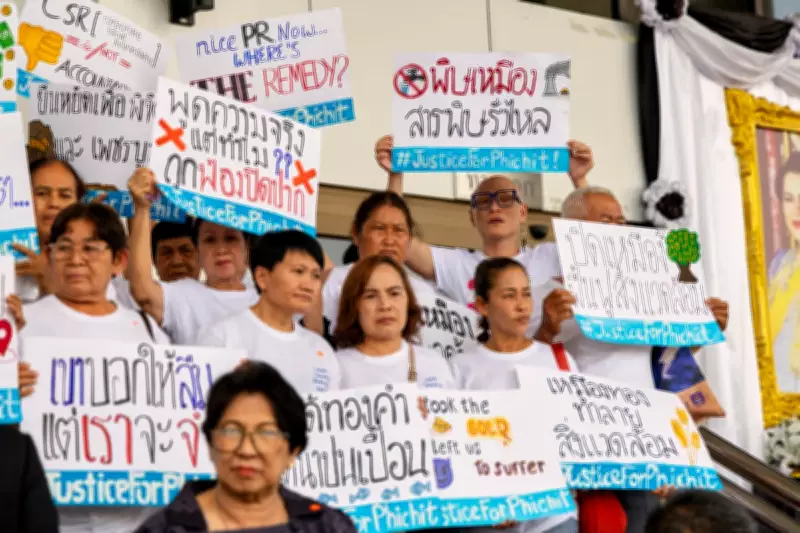
The case originated from a 2016 class action lawsuit filed by over 300 residents of Phichit province. They accused the Australian-owned Chatree Gold Mine, operated by Akara Resources, of causing severe environmental damage and health issues through toxic runoff from its operations. The Bangkok Civil Court found the company liable, ordering compensation ranging from 50,000 to 200,000 baht per affected individual, plus additional payments for medical expenses and emotional distress.
Medical surveys presented in court revealed elevated levels of dangerous heavy metals, including arsenic, cyanide, and manganese, among the local population. The judge ruled that the company failed to prove the contamination was unrelated to its mining activities. Thanyalak Boontham, one of the plaintiffs, stated that her blood tests showed toxin levels exceeding safety standards. While the compensation was less than hoped, she welcomed the ruling as a victory for future generations.

Setting a Precedent for Environmental Litigation in Southeast Asia
Legal analysts emphasize that this verdict could establish a new benchmark for environmental law in the region. Emilie Palamy Pradichit of the Manushya Foundation noted that the decision shapes whether communities view courts as a viable pathway for justice. Jameela Joy Reyes from the Grantham Research Institute on Climate Change and the Environment described the ruling as a clarion call for similar cases in other Southeast Asian nations like the Philippines and Indonesia.
This case was Thailand's first environmental class action following a 2015 legal amendment, marking a critical step in holding corporations accountable. The Chatree mine's legal troubles have been extensive, involving multiple lawsuits, medical surveys, and even intervention from former Prime Minister Prayuth Chan-ocha, who used military powers to shut down operations. A settlement was reached last year between Kingsgate Consolidated, the mine's owner, and the Thai government over license revocation disputes.
The Rise of 'Polluter Pays' Cases in Climate-Vulnerable Regions
Environmental law experts highlight a growing trend of 'polluter pays' cases across Asia, where communities sue corporations for environmental damages. Georgina Lloyd of the United Nations Environment Program noted that Asia's share of climate and environmental litigation is increasing in both volume and geographical scope. According to the Grantham Research Institute, around 225 climate litigation cases were filed globally in 2024, with nearly 3,000 cases tracked across 60 countries.
Reyes pointed out that climate-vulnerable regions like Southeast Asia, which face deadly extreme weather events causing billions in damages, are likely to see a rise in such cases. Two notable examples include survivors of Super Typhoon Odette in the Philippines suing Shell in the UK, and fisherfolk from Indonesia's Pari Island taking legal action against Holcim in Switzerland over emissions contributing to flooding and sea-level rise.
Cherdsak Utha-aroon, Akara Resources' general manager for sustainability, stated that the company respects the court's ruling and will discuss next steps with its legal team. Regardless of the compensation amount, Reyes affirmed that the court's proclamation of liability is a win in itself, serving as a cautionary tale for other companies and a potential model for jurisdictions worldwide.