
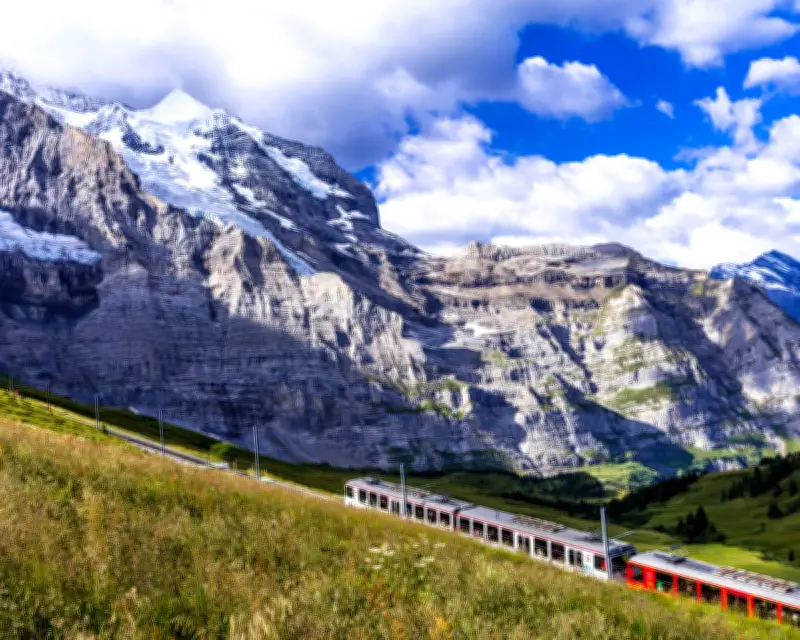
Swiss glaciers are on track to lose all the snow and ice accumulated last winter by Monday, marking the second-earliest arrival of the critical tipping point known as glacier loss day, according to Glacier Monitoring in Switzerland (Glamos). The alarming melt is driven by the current heatwave battering Europe, compounded by a warm May and poor snowfall over the winter.
Record melt rates across the Alps
Matthias Huss, head of Glamos, told AFP on Friday that “enormous ablation, ice melt rates and snow melt rates” are being observed all over the Alps, with multiple Swiss weather stations registering new all-time records. “We are three months too early compared to a healthy state,” Huss said. In data going back to 2000, the only time glacier loss day arrived earlier was in 2022, when it occurred on 26 June.
All further melting between now and October will shrink the size of glaciers in the Swiss Alps. Huss noted that the Rhone Glacier lost one metre of ice vertically in just the last 10 days. “It’s very impressive to see, and this is just the effect of the heatwave,” he added.
Compounding factors: low snowfall and Saharan dust
Huss attributed the “very bad state of the glaciers at the moment” to a combination of factors, including 25% less snow replenishing the glacier surfaces compared with the 2010-20 average, a warm May that caused the snowpack to disappear earlier, and the arrival of dust from the Sahara desert in March, which darkens the ice and accelerates melting. He said 2026 is shaping up to be “surprisingly similar” to 2022, which was “by far the most extreme year ever recorded in the Alps, with melt rates shattering everything we had seen before.”
Long-term decline and future outlook
Swiss glaciers began retreating about 170 years ago, but melting has accelerated significantly in recent decades due to climate warming. The volume of Swiss glaciers shrank by 38% between 2000 and 2024. Switzerland has already lost 1,200 glaciers in the past 50 years, leaving only 1,300. “Those lost were small glaciers, but they were still relevant in peripheral regions of the Alps,” Huss said. “If warming continues as it did over the last decades, by 2100 we will only be left with some little remnants of ice.”
Much of the water flowing into the Rhine and Rhone rivers – two of Europe’s major waterways – originates from Alpine glaciers, making their decline a concern for water supply and ecosystems across the continent.




