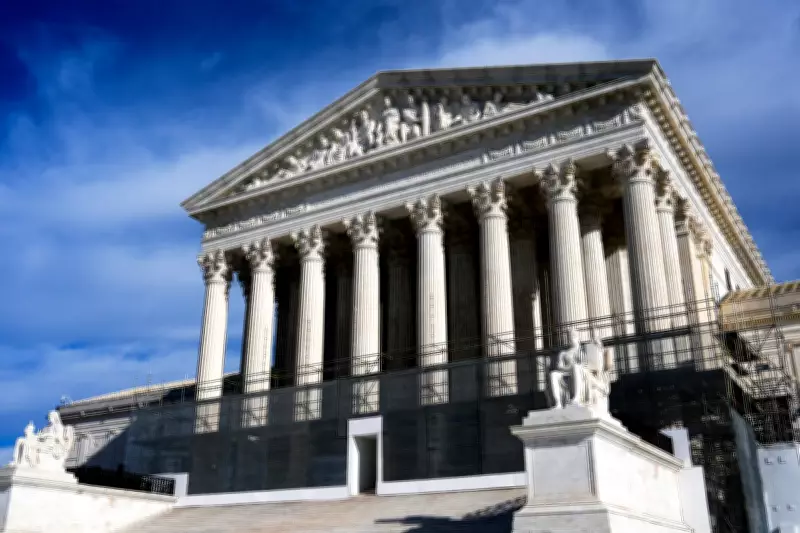
The United States Supreme Court has agreed to hear arguments from major oil and gas corporations aiming to block a series of high-stakes lawsuits that seek to hold the industry financially accountable for billions of dollars in damages associated with climate change. This pivotal decision, announced on Monday, 23 February 2026, marks a significant escalation in the legal battles over corporate responsibility for environmental impacts.
Legal Showdown Over Climate Accountability
The conservative-majority court will take up a case originating from Boulder, Colorado, which is part of a broader wave of litigation alleging that fossil fuel companies deliberately misled the public about the role of their products in driving climate change. Governments across the nation are pursuing damages to fund recovery efforts from climate-related disasters, including devastating wildfires, rising sea levels, and increasingly severe storms.
Companies Argue for Federal Jurisdiction
Energy giants Suncor Energy and ExxonMobil appealed to the Supreme Court after the Colorado Supreme Court allowed the Boulder lawsuit to proceed in state court. The companies contend that emissions and climate change constitute a national issue that should be adjudicated in federal courts, where similar cases have previously been dismissed. In legal filings, their attorneys warned that using state law to address global climate change poses a serious threat to a critical sector of the economy.

Political and Legal Backing
The Trump administration has intervened in support of the oil and gas firms, urging the justices to overturn the Colorado decision. Officials argued that permitting such lawsuits could enable every locality in the country to sue virtually any entity worldwide for contributions to climate change. President Donald Trump, a Republican, has criticized these legal actions through an executive order, and the Justice Department has actively sought to thwart them in court.
State-Level Push for Accountability
Despite corporate and federal opposition, attorneys for Boulder maintain that the litigation is in its early stages and should remain in state court. They assert that there is no constitutional barrier to states addressing in-state harms caused by out-of-state conduct, drawing parallels to historical cases involving products like automobiles or asbestos. This stance underscores the growing trend of leveraging state courts to drive climate action, with similar lawsuits emerging in states such as California, Hawaii, and New Jersey, as well as internationally.
Broader Implications for Industry and Policy
The Supreme Court's decision to hear this case could have far-reaching consequences for the oil and gas sector, potentially setting a precedent for how climate-related liabilities are handled in the legal system. It also highlights the intensifying conflict between state-led environmental initiatives and federal regulatory approaches, amid ongoing debates over corporate accountability and the economic costs of climate adaptation.