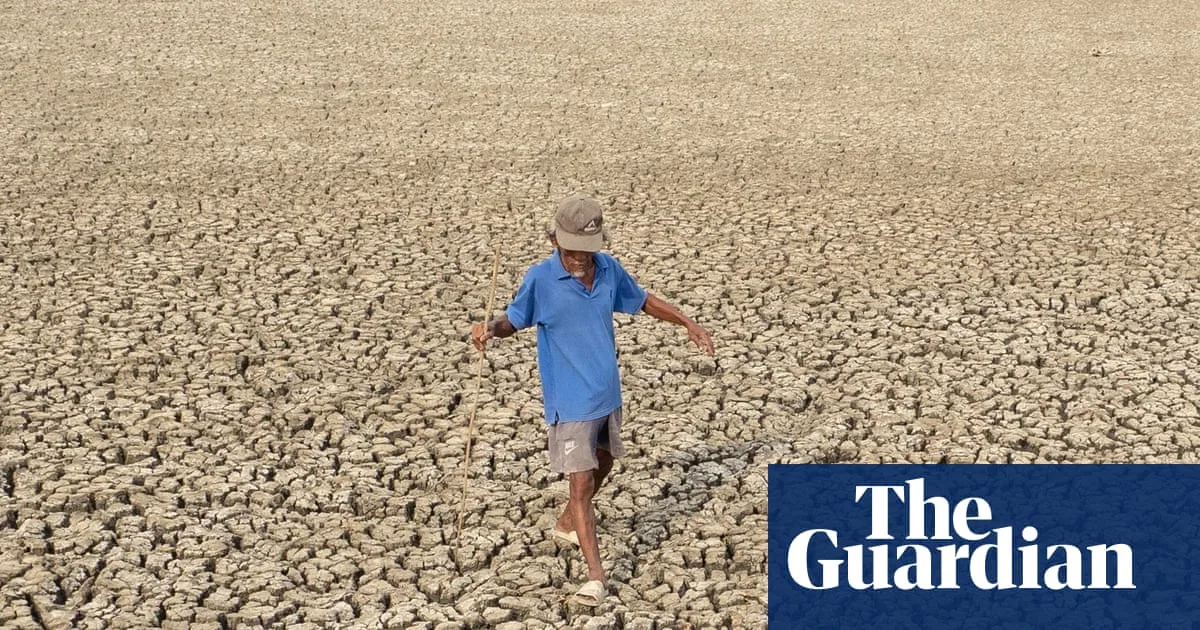
As Super El Niño swiftly approaches, holidaymakers should brace for their summer trips to be impacted, as flights and trains are likely to be cancelled. The powerful climate phenomenon occurs every few years, and scientists from the World Meteorological Organisation (WMO) predict it could arrive this summer, with an 80 per cent chance of it happening from June to August. Scientists also indicate a 90 per cent likelihood of it continuing until at least November. Above average temperatures are forecast for 'nearly everywhere' during this time, and there is a chance 2026 will be the hottest on record.
How El Niño Affects Weather Patterns
How El Niño plays out varies each time, but it usually brings increased rainfall in parts of southern South America, the southern United States, parts of the Horn of Africa, and central Asia. In contrast, there will be drier conditions over Central America, northern South America, the Caribbean, Australia, Indonesia, and parts of southern Asia. UN Secretary-General António Guterres warned: 'El Niño conditions will pour fuel on the fire of a warming world. Impacts will hit even harder, travel even farther, and cross borders with devastating speed.'
Impact on Travel
But how will travel be affected by this? The World Meteorological Organisation (WMO) predicts there is an 80 per cent chance of the weather event happening during June to August. There is already some uncertainty over travel this summer with the ongoing jet fuel situation, which has continued since the start of the Iran war earlier this year, causing many airlines to increase prices and even cancel flights. However, El Niño could impact plans too. The last time the weather event occurred was between 2023 and 2024, when the world was hit by record-breaking temperatures. This time, it could cause a similar heatwave, drought, as well as heavy rainfall.
WMO Secretary-General Celeste Saulo said: 'We need to prepare for a potentially strong El Niño event – which will exacerbate drought and heavy rainfall and increase the risk of heatwaves both on land and in the ocean. The most recent El Niño, in 2023–24, was one of the five strongest on record, and it played a role in the record global temperatures we saw in 2024.'
Previous El Niño events have been associated with travel disruption and flight delays thanks to heavy rainfall, and pilot and aviation expert Captain Emma Henderson MBE said this may happen again if we get heavy thunderstorms once more. She says: 'It could be much wetter and hotter this summer, and that could only lead to flight delays if there are big thunderstorms that affect the arrival and departure route. The things that cause delays are strong winds and violent downpours, but even then, it could cause disruption rather than cancellations.'
She adds: 'I wouldn’t expect this weather phenomenon to be a reason why people’s holidays are cancelled or disrupted, but we are being warned of a greater risk of wildfires as we have seen in past years, and conversely a greater risk of flooding. Once we are in the air we are above most of the weather, so any disruption to flights would only come from weather on the ground causing delays.'
There are some factors to consider when booking holidays however, and heat is one concern with El Niño, especially to popular spots like the Mediterranean. Meanwhile, destinations in parts of southern South America, the southern United States, parts of the Horn of Africa, and central Asia could be hit by heavy rainfall, possibly leading to flooding. But locations in Central America, northern South America, the Caribbean, Australia, Indonesia, and parts of southern Asia may face extreme heat and droughts.
Train Travel More Affected
In fact, it is train travel that is due to be more affected by El Niño. Network Rail has guidance on how it navigates hot weather on the railway and explains how 'hot summers can be as challenging as freezing winters' for trains. The rails, overhead power lines, and the track ground can all be impacted by high temperatures. Overhead lines can expand and sag in heat, which can mean 'trains must travel more slowly' to avoid causing damage. 'If the overhead lines are damaged, we have to cancel or divert train services until they are fixed. This causes delays,' Network Rail outlines. Newer lines are less affected, but older ones are 'more vulnerable' to the heat.
Hot weather can also cause rails to buckle. But when this happens, trains are stopped. 'If there is no room for the rail to expand, the rail can buckle and we need to close the line to fix it before trains can run again. When we stop trains or close a line, this causes delays,' Network Rail says. Drought can affect the ground underneath the railway tracks too, meaning trains have to slow down to travel safely over any cracks. Signalling system failures can be triggered by 'excessive internal temperatures' inside signalling cabinets exceeding 70°C.
Travel Insurance Considerations
Holidays affected by extreme weather events and wildfires may be covered if your insurance policy 'includes trip disruption or natural disaster cover,' according to the Association of British Insurers. It urges travellers to 'check your policy details and speak to your insurer if you're not sure what is included.' 'If you're injured or fall ill from the effects of extreme weather, your travel insurance will of course cover you in the usual way,' the site continues.
But Nick Parkhouse, travel insurance expert at Go.Compare, emphasises that the cover can range and explains: 'You should remember that standard travel insurance generally covers unforeseen events such as severe weather if it causes delays, cancellations, or prevents you from reaching your destination, although cover varies between policies. If the government advises against all but essential travel for the particular country you're travelling to as a result of El Niño, travellers should be covered as long as they purchased the insurance and booked the trip before the advice changed. Travel insurance won't usually cover you if adverse weather is forecast but you decide to travel anyway. It also won't cover you for weather-related disruptions if you took out your policy after the bad weather had been forecasted or was known about.'
The travel insurance expert says: 'The key is to check the small print before you travel. If you're concerned about potential disruption, make sure your policy includes cover for travel delays, trip cancellation and curtailment, and any specific natural disaster protections that may apply to your destination. It's also worth booking flights and accommodation with flexible cancellation or amendment policies where possible. If you're travelling to a region that could be more heavily affected by El Niño-related weather patterns, staying informed is essential. Monitor advice from your airline, tour operator, and the Foreign, Commonwealth & Development Office (FCDO). If disruption does occur, keep receipts for any additional expenses and contact your insurer as soon as possible, as this can help support any subsequent claim.'
He says 'preparation is the best defence' for holidaymakers planning trips in these circumstances. 'Having the right insurance in place and understanding exactly what you're covered for can provide valuable peace of mind, even if weather conditions become unpredictable,' Parkhouse adds.
During the previous El Niño, US-based insurance company Sensible Weather launched travel cover specifically for holidaymakers seeking protection from extreme temperatures and heatwaves. The company expanded its 'Weather Guarantee' to cover 'uncomfortably high temperatures in addition to rain.' 'If high heat, a parameter that uses temperature based on different locations, is forecast for their chosen dates, Sensible will proactively notify them in the morning via text message with a link to collect reimbursement,' Sensible Weather said in 2024.
What is the El Niño Phenomenon?
El Niño and La Niña are the warm and cool phases (respectively) of a recurring climate phenomenon across the tropical Pacific – the El Niño-Southern Oscillation, or 'ENSO' for short. The pattern can shift back and forth irregularly every two to seven years, and each phase triggers predictable disruptions of temperature, winds, and precipitation. These changes disrupt air movement and affect global climate.
ENSO has three phases: El Niño: A warming of the ocean surface, or above-average sea surface temperatures (SST), in the central and eastern tropical Pacific Ocean. Over Indonesia, rainfall becomes reduced while rainfall increases over the tropical Pacific Ocean. The low-level surface winds, which normally blow from east to west along the equator, instead weaken or, in some cases, start blowing the other direction from west to east. La Niña: A cooling of the ocean surface, or below-average sea surface temperatures (SST), in the central and eastern tropical Pacific Ocean. Over Indonesia, rainfall tends to increase while rainfall decreases over the central tropical Pacific Ocean. The normal easterly winds along the equator become even stronger. Neutral: Neither El Niño nor La Niña. Often tropical Pacific SSTs are generally close to average.






