
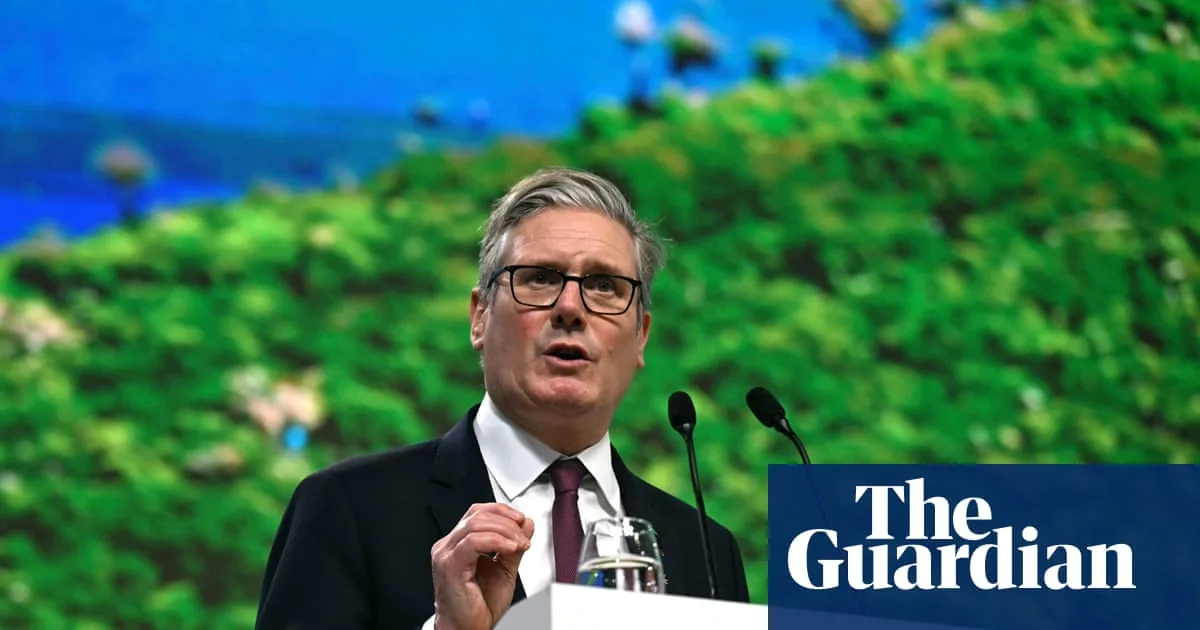
Prime Minister Keir Starmer has faced a challenge unprecedented for a Labour government: his energy and climate policies, central to tackling the cost of living crisis, have come under sustained attack from opposition parties. Kemi Badenoch has weaponised the climate agenda, targeting Energy Secretary Ed Miliband and vowing to scrap net zero targets, while Nigel Farage's Reform party denies climate science entirely.
This breakdown of the longstanding cross-party consensus on climate action, which dates back to Margaret Thatcher, has caused disarray within Labour. Some advisers urged Starmer to drop his flagship pledge to decarbonise the electricity grid by 2030, and briefed against Miliband, leading to a halving of the promised £28bn green investment.
However, experts argue this advice was out of step with voters. Polling by More in Common for the Energy & Climate Intelligence Unit showed two-thirds of the public still support net zero. Ed Matthew of E3G said Starmer's clean energy mission was visionary but constrained by a misreading of voters, who actually back renewables and energy independence.
The rowing back on climate ambition has fuelled the Green party's resurgence, with voters defecting to them and the Liberal Democrats, who have held firm on environmental policies. Mike Childs of Friends of the Earth noted that Starmer's record supporting Miliband's climate action is strong, including intervening to protect the warm homes plan and insisting on a legally compliant climate plan.
Despite the political backlash, investments in renewable energy reduced wholesale electricity prices by about a third last year, according to ECIU. While households have not yet felt the benefit due to fossil fuel crises, Labour hopes to break the link between electricity prices and gas costs. Record numbers are opting for solar panels and heat pumps, and electric car sales jumped 60% in April.




