
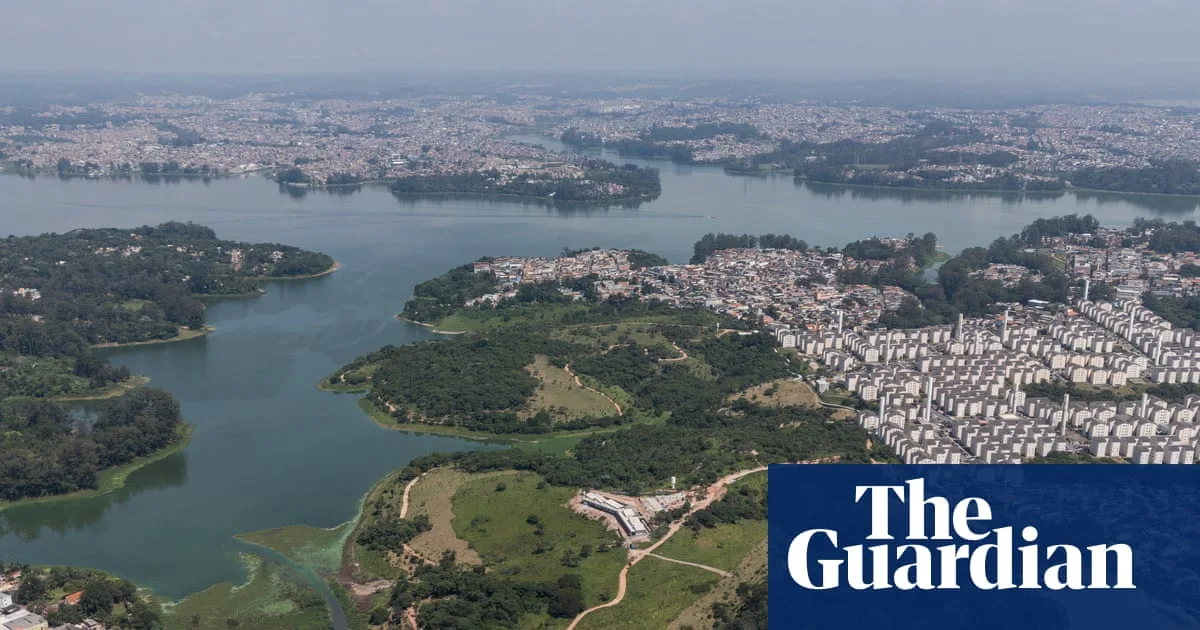
Biologist Marta Marcondes and community activist Wesley Silvestre Rosa navigate the Billings reservoir on the southern edge of São Paulo, monitoring water quality. The reservoir, spanning 127 square kilometres, is Brazil's largest urban reservoir and a vital water source for nearly 22 million people in the metropolitan area. It also supports hydroelectric power, flood control, irrigation, and recreation.
Despite its importance, large areas of Billings are heavily polluted with sewage, industrial waste, pharmaceuticals, microplastics, and faecal matter. Urban planners attribute this to neglect by local authorities, flawed water management, and uncontrolled urban expansion. At a polluted site called Grota Funda, Marcondes observes fermenting bacteria and collects a dark water sample, remarking on the strong smell and danger of ingestion.
Marcondes, who runs a lab at the Municipal University of São Caetano do Sul and coordinates the NGO Water Pollutant Index, notes that water quality and storage capacity have declined over the past decade. She warns of a potential system collapse if action is not taken. In January, residents blamed São Paulo's water utility, Sabesp, for dumping waste into the reservoir; Sabesp attributed the incident to rainwater overload in the sewage network.
The reservoir, built 100 years ago to power São Paulo's industrial growth via the Henry Borden hydroelectric plant, has suffered from the redirection of polluted water from the Pinheiros and Tietê rivers. City council member Nabil Bonduki calls it an environmental sacrifice zone. Roughly 1.5 million people now live around Billings, many in favelas, up from 110,000 in 1970, contributing to health problems.
Rosa, who lives in the lower-income neighbourhood of Jardim Apurá, highlights the region's vulnerability to climate change. In 2018, authorities built nearly 4,000 public housing units there, but access remains critical. Wanderley da Silva, a resident of Favela da Fumaça, describes flooding during heavy rains, linking it to environmental destruction. Bonduki warns that Billings serves as a warning for São Paulo's other reservoirs.




