
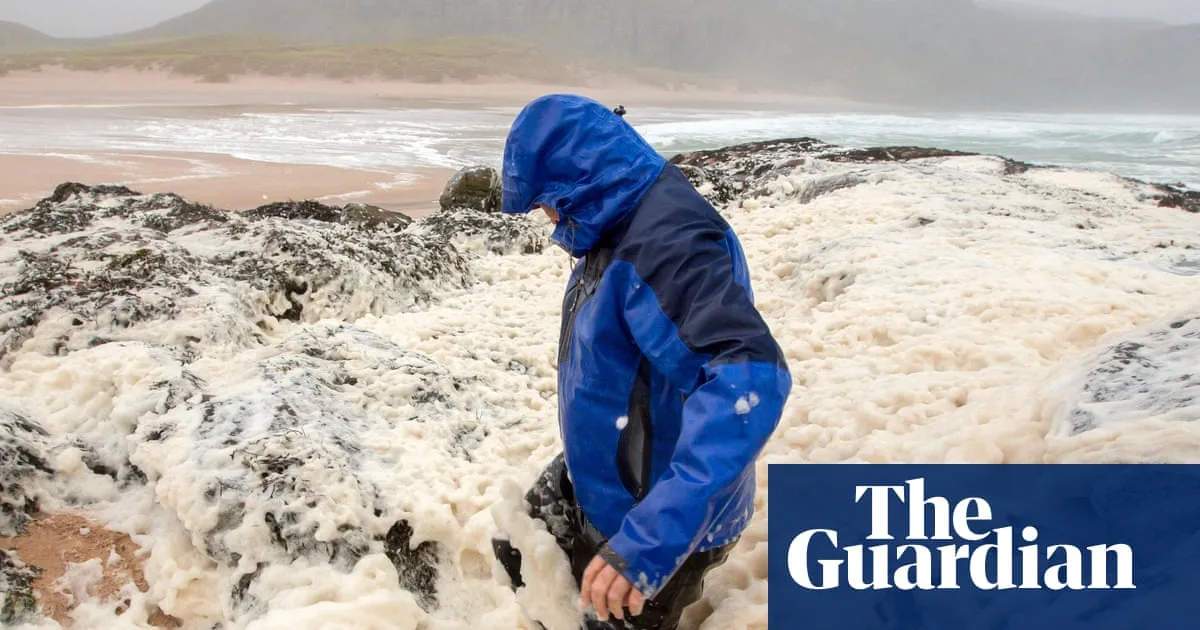
Scientists believe they have identified the source of toxic 'forever chemicals' contaminating Fair Isle, Britain's most remote inhabited island. New data shows the island's drinking water has the highest levels of Pfas in Scotland, despite no obvious industrial sources.
Researchers from Stockholm, Texas, Liverpool and Aberdeen analysed water samples and found the chemical fingerprint matched Pfas likely carried in seaspray and foam. These substances are highly surface-active, meaning they accumulate at the air-water interface and can travel thousands of miles in bubbles and spray.
Environmental chemist Bo Sha of Stockholm University explained that the ocean acts as a pump, pushing Pfas to the surface where they become airborne. 'Once airborne in bubbles or spray, the chemicals can then travel hundreds of kilometres in days,' he said. Fair Isle's exposure to stormy seaspray and its small size may explain the high concentrations.
Scottish Water suggested local sources such as a 2019 fire at the bird observatory or fire-fighting foam at the airstrip could be responsible. However, records show no foam was used at the fire, and the National Trust for Scotland confirmed only Pfas-free foam is used at the airport.
Fair Isle is not unique: remote lochs across Scotland would fail proposed EU environmental limits for Pfas, and similar accumulations have been found in Denmark and even Antarctic seabirds. Local resident Kathy Coull has been filtering her water since the results were published and called for more action from Scottish Water, including blood testing for residents.




