Reflecting on Climate Action Five Years After COP26

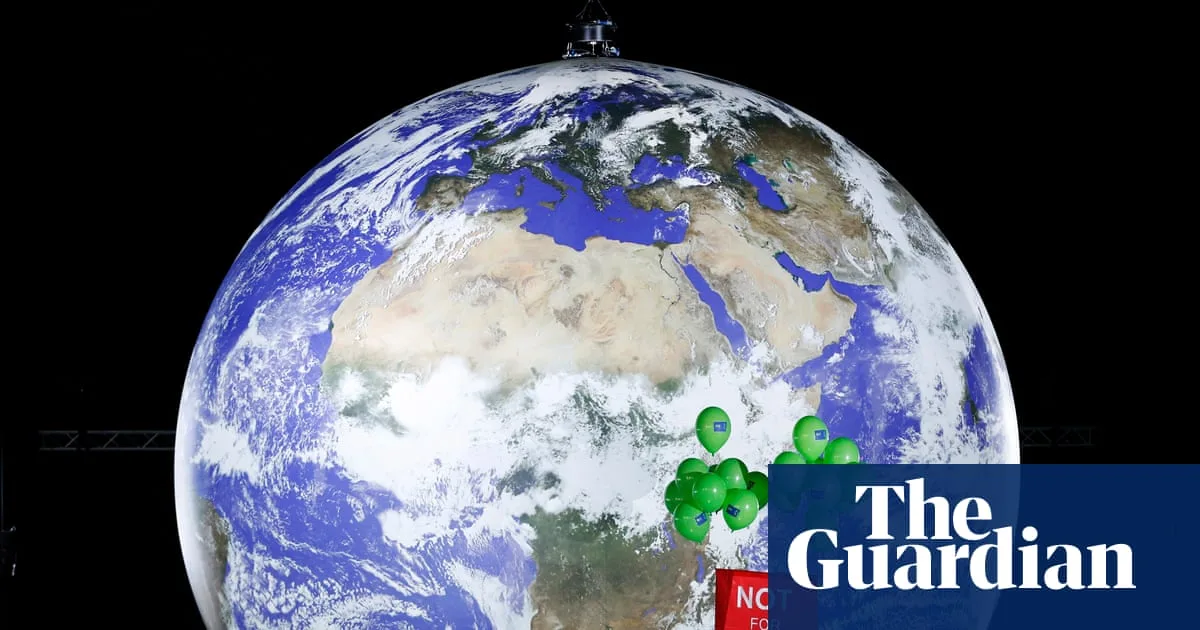
In our 250th edition, we ask just how well the fight against climate change is really going. This week’s newsletter reflects on the past five years since the COP26 summit in Glasgow in 2021, which represented a high-water mark in climate diplomacy and global unity. Two weeks in Scotland that year resulted in all countries affirming they would strive to limit global heating to 1.5°C, with most setting net zero goals and national plans to cut greenhouse gas emissions, halt deforestation, protect nature and boost renewable energy.

It wasn’t perfect: the plans would still result in about 2.8°C of heating, though they agreed to work on strengthening them, and a commitment to phase out coal was weakened at the last minute to a phase down instead. But the direction of travel was clear: the whole world agreed on how to fight the climate crisis. The Paris agreement of 2015 bound countries to keep temperatures “well below” 2°C above preindustrial levels, with 1.5°C as an aspiration, but at Glasgow the 1.5°C limit – in line with scientific advice, which warns of dire consequences beyond that threshold – was adopted as the clear goal.

Essential Reads

  • ‘It’s getting hotter and it’s not stopping’: dealing with the heat in five of Europe’s capitals
  • ‘My head spins with the heat’: India’s gig workers battle exhaustion amid soaring temperatures
  • Climate crisis is accelerating antibiotic resistance across world, study says

In Focus

The wars in Ukraine and Iran have drawn attention to global reliance on fossil fuels. Our first editions of the Down to Earth newsletter were written at COP26, reflecting those hopes, flaws and achievements. We covered its twists, its turns and its conclusions. By the end, the world seemed set on a new path, and the Guardian committed to following the developments – on the climate, and the closely related crisis of biodiversity – not just from the point of view of the high-level summits, but on the ground with grassroots activists and seeking out little-known aspects of our shared planet, from the saltmarsh sparrow and the plight of Thailand’s dugongs to the sins of fast fashion.

Wide Pickt banner — collaborative shopping lists app for Telegram, phone mockup with grocery list

Looking back to COP26, it seems to have taken place in a more optimistic time. Few realised that the worst fossil fuel shock in decades was about to be unleashed on the world. Vladimir Putin’s invasion of Ukraine in February 2022 has brought bloodshed and terror to millions of Ukrainians, and its economic consequences have affected some of the world’s poorest people the most. That was followed this year with another conflict: the Iran war, which has sent oil soaring past $100 a barrel and reminded the world why being in hock to volatile fossil fuels prices might not be the most stable things economically.

In between, the re-election of Donald Trump set in motion a dismantling of some of the US’s longest-standing environmental protections, withdrawal from the Paris agreement, a boost to coal and an assault on renewable energy. Populist governments around the world have joined him in climate denial and the rubbishing of the agreements reached at Glasgow. And temperatures have risen steadily, beyond the vital threshold of 1.5°C above preindustrial levels, while biodiversity has further eroded as our seas have filled with plastic and deforestation continues at pace.

Reading back over the five years of Down to Earth, it can often feel that we are going backwards. In part, that could have been predicted: the success of renewables comes at the expense of the vested interests of fossil fuel companies, which are now fighting for their dominance and soon will be battling for their very existence. Another issue – and one likely to start to bite harder in the near future – is that the climate and biodiversity crises put increasing stress on the global economy, which is already being felt in food price inflation around the world, and this helps to fuel inequality and the rise of populists. It is a vicious circle as those populists tend to be climate deniers.

And yet these newsletters have also chronicled major advances, in technology and in campaigning; in movements to preserve species; in the burgeoning global green economy; in returning species from the brink, restoring nature, creating new habitats; and using our global knowledge, wisdom and energy for good.

Pickt after-article banner — collaborative shopping lists app with family illustration

The message of hope on the climate is that there are now no reasons to remain wedded to fossil fuels. Clean technology is cheap, widely available and overwhelmingly popular. The Covering Climate Now initiative, of which the Guardian is part, found that 80% to 89% of the global public understand the threat of climate breakdown and want their governments to act. If our politicians have not grasped that, they are the ones who need to catch up, not the public. The picture on biodiversity remains bleak, but at least some governments are now acknowledging that ecosystems deserve protection as a national security measure, as much as anything else.

For the next 250 editions of Down to Earth, we will uncover more stories of hope, joy and optimism, as well as warning about the damage our warped economic systems continue to inflict – and setting out how we can solve our global crises together. To read the complete version of this newsletter – subscribe to receive Down to Earth in your inbox every Thursday.




