The International Committee of the Red Cross (ICRC) has issued an urgent warning that a misinformation epidemic in the Democratic Republic of the Congo (DRC) is undermining the response to the Ebola outbreak, with some residents believing that medical workers are deliberately infecting people with the virus.
Misinformation Fuels Violence and Distrust
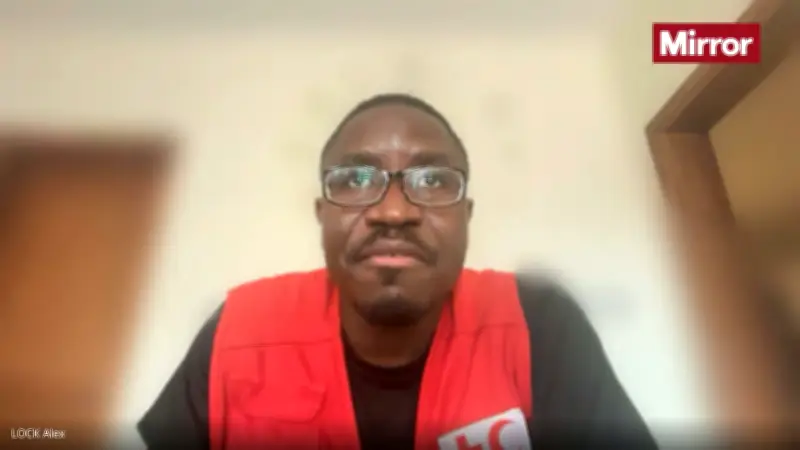
Alex Lock, a communications officer for the ICRC on the ground in the DRC, told The Mirror: "We face mistrust spreading all over the communities. Some people believe this disease doesn't even exist. Other people believe that hospitals and treatment centers are the place where you get injected with Ebola."
This false belief has led to attacks on aid workers, with volunteers being abused, medical tents burned down, and hospitals pelted with projectiles. The ICRC has responded by mobilizing hundreds of community members to spread accurate information and build trust.
Outbreak Statistics and Spread
The DRC Ministry of Health reported a grim milestone this week: 1,094 confirmed cases, 277 confirmed deaths, and 387 hospitalizations in isolation. The worst-affected province is Ituri, with 997 cases across 22 health zones. North Kivu and South Kivu have 94 and 3 cases, respectively.
The Bundibugyo strain of Ebola, which has been spreading since May, has also reached Uganda and France. France confirmed its first case on Wednesday in a doctor who had returned from a humanitarian mission to the DRC. The French health ministry stated the doctor is in stable condition and isolated.
Global Risk Remains Low
The World Health Organization (WHO) has declared the outbreak a Public Health Emergency of International Concern (PHEIC), but WHO chief Tedros Adhanom Ghebreyesus said there is "no need to panic." French officials assessed the risk of spread within France as "very low."
Human Impact and Response
Lock described attending a burial for a 6-month-old child who died from Ebola, emphasizing the disease's indiscriminate nature. "The cruel reality is that Ebola can touch anybody and it continues to spread as some people don't even believe the disease is real," he said.
He stressed the importance of breaking the chain of contamination through early detection, safe burials, and community engagement. "Sometimes in humanitarian activities, some people might see the communities like the beneficiaries. But they are not just beneficiaries; they're also active responders," Lock added.