
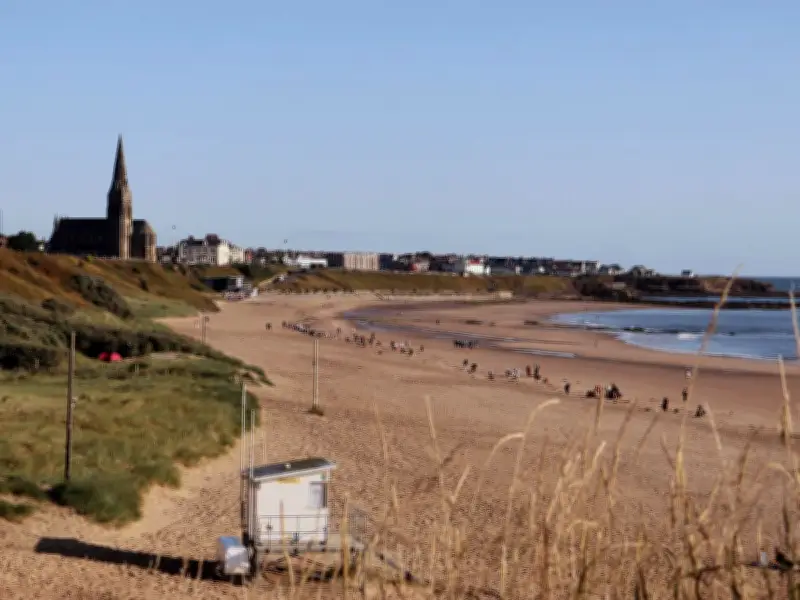
More than 1,000 volunteers are in a "race against tide" to clean nurdles from North East beaches during what has been described as a "critical window". The small plastic pellets, used to make plastic products such as bottles, have been washing up on the region's shoreline after a collision between the Wind Orca and the BG Orange on Sunday, July 19.
Volunteer Mobilisation
Since Monday, volunteers have been mobilised at a series of beaches from Cambois in Northumberland, down to Roker and Seaburn in Sunderland. They have been sweeping hard-packed sand along the tide line where pellets accumulate, before using hand-sewn mesh bags and seawater to separate the floating plastic from the sinking sand. They hope to prevent, or at least limit, the pollution from spreading through tides, wind and wildlife and becoming permanently embedded in coastal and marine ecosystems.
Alice Laverty, co-owner of Keel Row Books in Whitley Bay, was one of the first volunteers to begin cleaning the beach. She said: "There's no nurdle fairy, this needs to be cleaned up now. An official response with specialist equipment and trained staff takes time, and concerns about insurance and liability could further delay cleanup operations." Alice added: "It can be uncomfortable being those first people on the beach with a dustpan and brush, but others see your actions and it gives them the sense that it's okay to join in."
Community Frustration
The Port of Tyne and local councils are leading containment and clean-up efforts after the spill, estimated to be 25 tonnes equating to around one billion plastic pellets, with the Environment Agency in a "purely advisory role". However, many residents believe the official response has been too slow. Sally McGee, owner of Yonder surf school on Longsands, said: "A clean up effort was hindered greatly by the Environment Agency’s guidelines, supported by the council, telling us not to touch the nurdles. If we'd felt that the council were responding effectively and treating this like the critical emergency that it is, we would not have felt the need to step up. We began organising through WhatsApp groups and social media and the response has been absolutely incredible. We're proud and glad we decided to break the rules and try to protect our environment. It shows just how much this community cares about our coastline."
Helen Smith McGuire, who lives in Cullercoats, added: "I was so disappointed when the authorities told us not to act but was then so delighted when Sally set up a small WhatsApp group, which exploded in just a few days. To see a community take over without any need for direct leadership, where people are just stepping up themselves, has been beautiful. I think people just needed reassurance that they could act without being told what to do. We have simply empowered people to do what they already knew they could do."
Official Response
Samantha Dand, Director of Environment for North Tyneside Council, said: "Our teams are working alongside specialist contractors Briggs Marine and Ambipar to continue to remove nurdles from affected beaches and the river, with additional equipment and resources being deployed to increase recovery capacity. This is a coordinated multi-agency effort involving local authorities, environmental agencies, contractors, insurers and other key partners. Daily recovery meetings help ensure activity is prioritised and recovery work progresses as quickly, safely and effectively as possible. We're incredibly grateful for the support shown by our communities. Guidance for anyone wishing to take part in voluntary clean-up activities is available on our website, and we encourage people to follow this advice to help ensure their safety and support the wider response."
Gary Kirsop, director of community operations at South Tyneside Council, said: "From day one, South Tyneside Council has been leading the response in the borough to the shipping accident on the Tyne and the pollution this caused, with staff working tirelessly alongside local communities, specialist organisations and partner agencies to protect our coastline. We are incredibly grateful for the public's support and are encouraging volunteering through coordinated activity, with guidance and signposting in place, so that any recovered material can be properly recorded and assessed. This is a complex operation spanning multiple authorities and organisations, but significant progress has already been made, and we will continue working with partners to support the long-term recovery effort."
Call for Cooperation
Community organisers say that they are not seeking confrontation with public agencies nor encouraging people to ignore safety advice, but are instead calling for greater co-operation between authorities, environmental organisations and local residents. They are also urging officials to recognise volunteers as an additional resource during the crucial early stages of pellet pollution incidents, when rapid mobilisation can improve recovery rates.




