
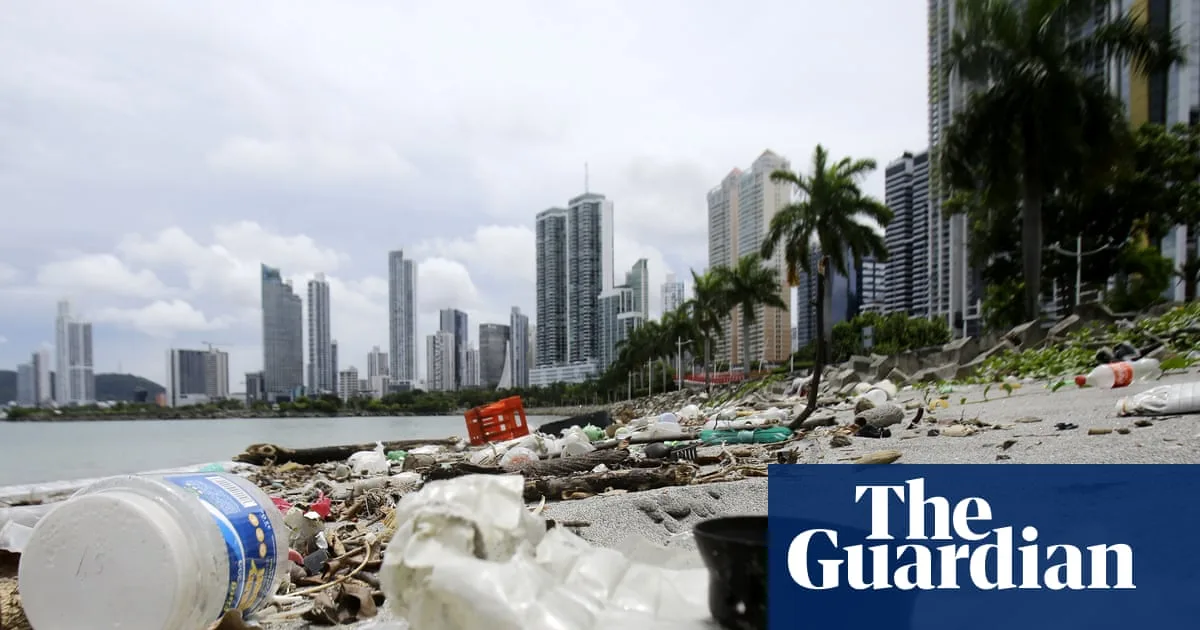
A global study has found that plastic food wrappers, bottles, lids and caps are by far the most common items of litter on the world’s shorelines. Researchers analysed data from more than 5,300 surveys of coastal litter, drawn from 355 existing studies, to produce the first analysis of its kind.
The findings, published in the journal One Earth, showed that food and drink-related plastics appeared in coastal litter in 93% of the 94 countries studied, with estimates covering a further 18 countries. No other form of litter was as prevalent. Plastic bags were recorded in data from 39% of countries, and cigarette butts from 38%.
Regional variations were noted, with plastic bags consistently prevalent in Asia. The study also suggested that a ban on plastic bags did not necessarily mean less waste of this kind, citing poor policy enforcement or the export of waste from other countries as possible reasons.
The research comes as efforts to establish an international treaty to tackle plastic pollution face disruption. The chair of the treaty talks stepped down in October after allegations of behind-the-scenes pressure from the UN environment programme, which is overseeing the negotiations. Norway, the programme’s largest donor, is reviewing its funding. The next round of discussions may not take place until late 2026 or 2027.
Professor Richard Thompson, founder of the University of Plymouth’s international marine litter research unit, said he was surprised by the consistency of single-use plastics across all seven continents. He suggested policymakers could address the problem by ensuring plastics are used only for essential purposes and by promoting refillable food and drink containers. Tamara Galloway, professor of ecotoxicology at the University of Exeter, noted that current economic models treat plastic as disposable, adding: “If we reframed it as ‘plastic-lost-value’, we might get on better with the policymakers.”




