
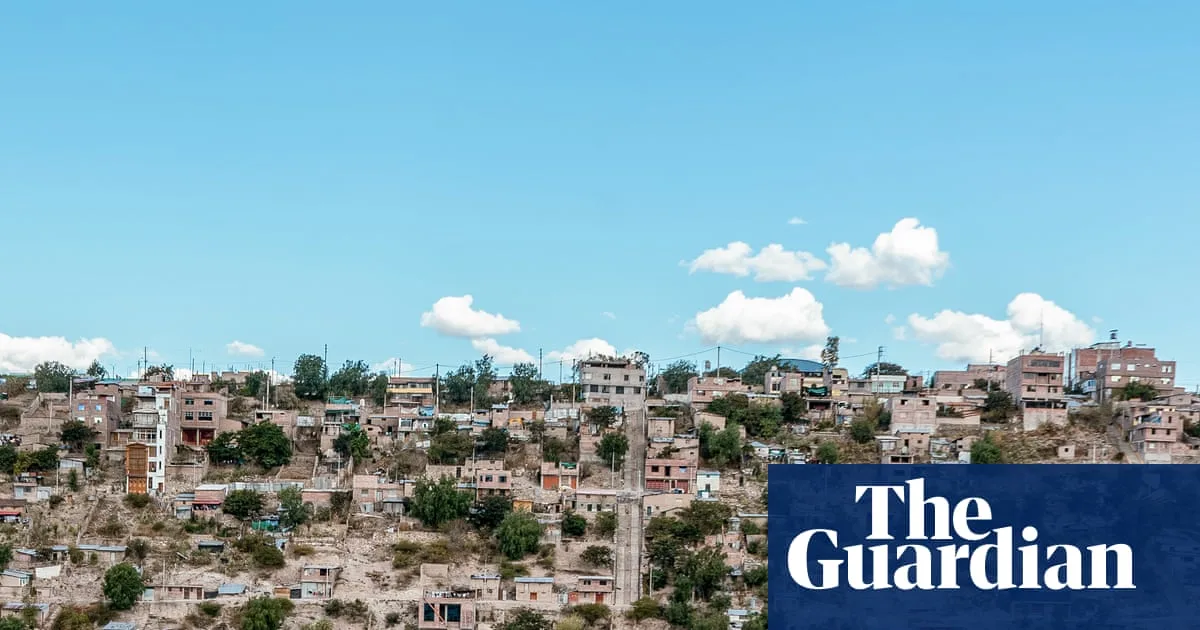
In December 2009, a sudden storm unleashed torrential rain over Ayacucho in the Peruvian Andes, turning streams into lethal flows of mud that flooded hillside neighbourhoods. Ten people died, 18 were injured and 530 houses were destroyed or damaged, according to a government inquest. Nearly 17 years on, thousands more have built homes in high-risk areas on the city's outskirts, such as the informal settlement of Mollepata.
Mollepata's population grew 20-fold between 2007 and 2017, from 316 to 6,624, and local leaders estimate it now exceeds 30,000. Two-thirds of residents and all schools lie in zones deemed high-risk for natural disasters. Self-built adobe or brick houses with corrugated metal roofs balance precariously on steep slopes, with density about seven times that of Ayacucho itself.
The climate crisis is exacerbating the danger. Annual rainfall in the region has halved since 1984, and a nearby glacial peak has lost 95% of its snowcap. Rain now falls in shorter, more intense storms that cause flash floods and landslides. In dry periods, residents face severe water shortages and soaring temperatures, made worse by concrete structures that trap heat. Environmental specialist Juan Carlos Prado describes these neighbourhoods as 'little ovens'.
Informal settlements also lack reliable water systems, emergency services and proper roads. A single unpaved access road and one bridge connect Mollepata to Ayacucho. 'If that collapses, they're isolated in an instant,' Prado says. The municipality runs education campaigns, but many residents ignore the risks, according to community leader Edgar Castro.
Experts argue that the only solution is relocation. 'We can't negotiate with nature,' Prado says, though he knows of no voluntary abandonment of plots. Families make calculated trade-offs between affordability and safety, preferring to stay despite the threat of landslides, floods and heatwaves.




