
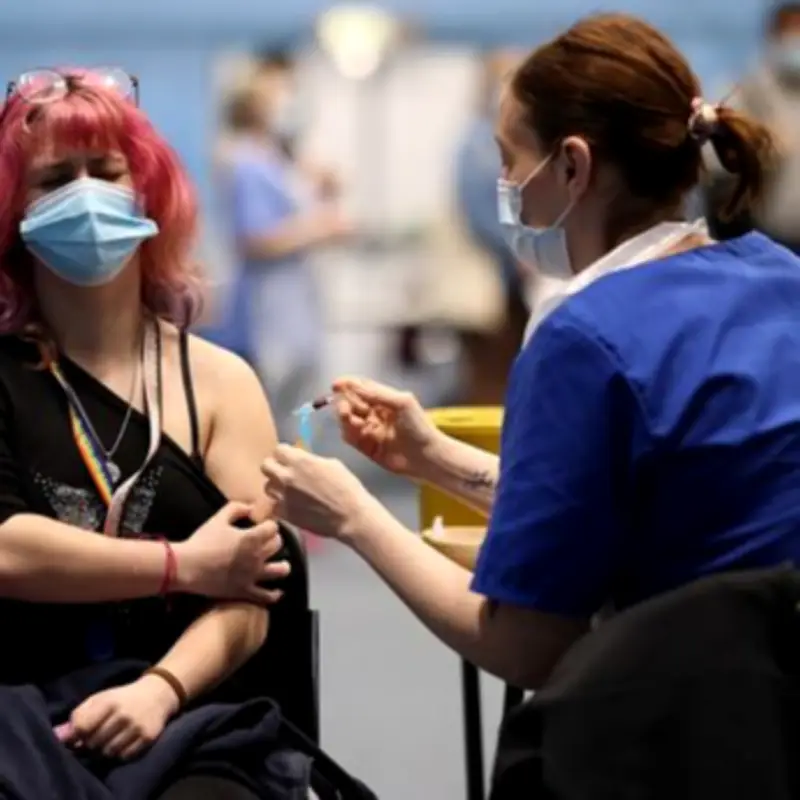
The UK Government has announced that around one million students will be offered the meningitis B (MenB) vaccine in a one-off vaccination programme following a deadly meningitis outbreak earlier this year. Year 13 pupils and those under 25 starting university this autumn will receive their first dose from July 20, with a second dose administered in August. Two doses, given at least 28 days apart, are required for full protection.
Kent outbreak prompts urgent action
The decision comes after a series of meningitis outbreaks, the most severe occurring in Kent earlier this year, which resulted in the deaths of two teenagers. Juliette Kenny, 18, died in the Kent outbreak, and her family has been campaigning for routine access to the MenB vaccine for teenagers and young people.
The Kent outbreak was the fastest-growing and largest seen in the UK, and subsequent smaller clusters of meningitis among young people have been larger than expected. Health Secretary James Murray warned that these recent outbreaks suggest a possible change in how MenB affects people.
Understanding meningitis
Meningitis is a life-threatening condition that can cause life-changing disabilities such as amputations, hearing loss, and brain damage. It is fatal in approximately 10 percent of cases. Close and prolonged contact in halls of residence, shared homes, and social events can increase the risk of contracting the disease.
Vaccination programme details
The one-off programme will offer two doses to teenagers aged 17 to 18 in Year 13, as well as those under 25 who are starting university or other residential further education this autumn. Eligible individuals include those born between September 1, 2007, and August 31, 2008, who complete Year 13 in summer 2026, and anyone under 25 starting university or residential further education for the first time in autumn 2026.
Health Secretary James Murray stated: "The Kent outbreak and recent clusters indicate a possible change to the way MenB affects people. While we assess the latest evidence, we are acting now to help protect young people at highest immediate risk as they enter university and residential colleges this autumn." He added: "By offering two doses of the jabs ahead of the academic year, we will help reduce the risk of serious illness and larger outbreaks of this horrendous disease. I urge all those students who are eligible to come forward for their two doses in July and August, to give them peace of mind as they head off to continue their studies."
How to get the vaccine
Year 13 pupils will be contacted via the NHS app, text, or letter to receive the jab (Bexsero), manufactured by GSK. Other eligible individuals under 25 can book their appointments directly with pharmacies. Anyone who misses the second August dose due to holidays can still receive it in September. The programme is being delivered by community pharmacists.
Expert opinions
Deputy Chief Medical Officer Dr. Thomas Waite commented: "Meningococcal B disease is a rare but very serious infection which is fatal in up to 10% of cases and can cause lifelong injury. There has been an increase in clusters of disease this year, and so this one-off programme is designed to provide direct protection to those at highest immediate risk, which is typically when students travel from across the country to attend university and further education for the first time." He emphasized: "Two doses of the MenB vaccine, at least four weeks apart, are needed for maximum protection, and I encourage everyone who is attending university and further education for the first time this autumn to come forward for their first dose as soon as possible."
The MenB vaccine is already routinely offered to infants through the NHS childhood vaccination programme. Evidence shows that vaccination has led to approximately a 75 percent reduction in MenB disease among eligible vaccinated groups. The vaccine was added to the routine childhood schedule in 2015, meaning babies born before May 1, 2015, largely missed out, and those children are now teenagers among higher-risk groups.
Dr. Shamez Ladhani, Consultant Epidemiologist at UKHSA, said: "While MenB outbreaks are uncommon, when they occur, they can be devastating, as recent outbreaks have sadly shown. The risk is higher among young people starting university, where close and prolonged contact with lots of new people increases the chances of being exposed to the meningococcal bacteria. Two doses of the MenB vaccine are essential and will give good protection against most strains and help to give young people and their families some reassurance."




