
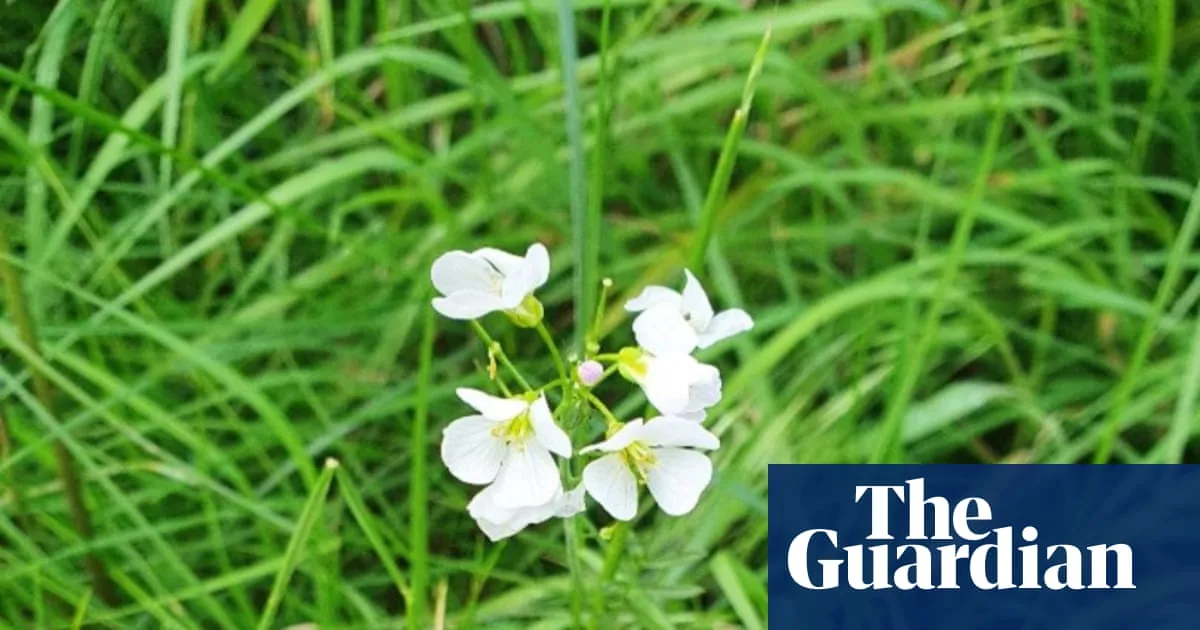
In Liverpool's Hunt's Cross area, a roadside verge has become a haven for wildflowers and insects thanks to the city council's observance of No Mow May. A recent survey by local resident Jennifer Jones found 21 species, including cuckoo flower, yarrow, and common ragwort, which supports cinnabar moth caterpillars. The initiative, launched by Plantlife in 2019, aims to boost biodiversity after the loss of 97% of flower-rich meadows in the UK since the 1930s and a 41% decline in insect species.
However, the campaign has faced challenges. Last May, mowing teams arrived before the month ended, destroying ragworts and caterpillars. Jones emailed the relevant councillor but received no response, a common issue when queries concern nature. This year, mowing occurred in mid-April, allowing regrowth. Jones observed dandelions, daisies, white clover, shepherd's purse, chickweed, spear thistle, and bird's foot trefoil, with flowers expected soon.
Not all residents support the reduced mowing; some have taken to mowing the verge themselves. Despite this, Jones remains hopeful. She plans to monitor ragwort for caterpillars and hopes the mowing team will transition smoothly into 'Let it Bloom June'. The presence of starlings feeding on insects underscores the ecological benefits of the unmown verge.




