
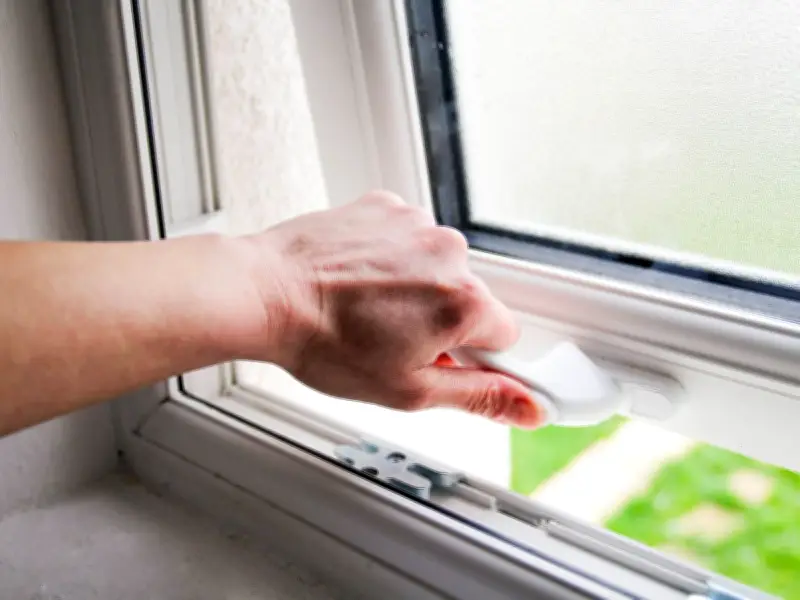
The NHS has issued an urgent alert urging households across England to keep their windows and doors shut as the Met Office forecasts high pollen levels until Friday. The health service warns that hay fever sufferers face a heightened risk of symptoms from Monday, June 15, to Friday, June 19.
Pollen Forecast for the Week
According to the Met Office pollen forecast, levels will range from 'Medium' to 'Very High' across most of England. Parts of Scotland, Northern Ireland, and Wales will also experience elevated pollen counts, increasing the risk of hay fever flare-ups.
NHS Advice on Instagram
In an Instagram post, the NHS stated: "There are high levels of pollen across some parts of the country over the coming days. Hay fever is a common allergy that causes sneezing, coughing and itchy eyes. You cannot cure it, but there are things you can do to help your symptoms."
The post included a list of dos and don'ts, emphasizing the importance of keeping windows and doors shut as much as possible.
Tips for Hay Fever Sufferers
The NHS recommends the following steps to ease symptoms:
- Put petroleum jelly around your nostrils to trap pollen
- Wear wraparound sunglasses, a mask, or a wide-brimmed hat
- Shower and change clothes after being outside
- Keep windows and doors shut as much as possible
- Vacuum regularly and dust with a damp cloth
- Use a pollen filter in car air vents and a HEPA filter in your vacuum cleaner
What to Avoid
The NHS advises against:
- Cutting grass or walking on grass
- Spending too much time outside
- Keeping fresh flowers in the house
- Smoking or being around smoke
- Drying clothes outside
- Letting pets indoors if possible
Hay Fever Symptoms
Common symptoms include sneezing, coughing, a runny or blocked nose, itchy eyes, throat, mouth, nose, and ears, loss of smell, headaches, and fatigue. Symptoms typically worsen between late March and September, especially in warm, humid, and windy weather.
Unlike a cold, hay fever can last for weeks or months. The NHS emphasizes that there is no cure, but these measures can help manage symptoms during high pollen periods.




