
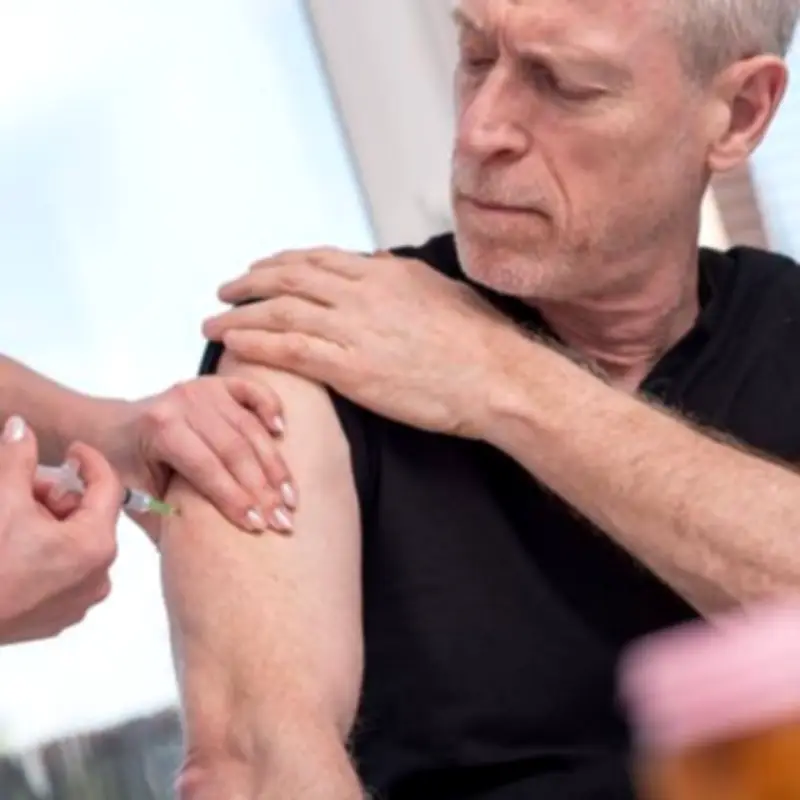
The Department of Health has announced a new initiative to offer free NHS flu vaccinations to people experiencing homelessness, starting in autumn 2026. The scheme targets individuals sleeping rough or residing in homeless hostels and night shelters.
Why This Matters
Authorities state that boosting vaccination uptake among at-risk groups helps safeguard the broader public by limiting flu transmission across communities. This should subsequently reduce unnecessary hospital admissions and alleviate winter strain on NHS and emergency services during periods of elevated seasonal demand.
Those experiencing homelessness are more prone to encounter poorer NHS access, inferior health outcomes, and premature mortality. The government now confirms it is taking measures by providing flu vaccination to this cohort, coinciding with the forthcoming flu season.
Government Response
Health and Social Care Secretary James Murray stated: "For too long, people experiencing homelessness have faced some of the worst health outcomes in the country and have too often been missed by services many of us take for granted. They should not miss out on potentially life-saving protection against flu when they can be at similar, or even greater, risk from the disease than some groups already eligible for vaccination."
He added: "This change is about putting that right. By rolling out flu vaccinations to homeless people, we are delivering on our promise to tackle health inequalities and make sure support reaches those who need it most."
The development follows the government's acceptance of expert recommendations from the Joint Committee on Vaccination and Immunisation (JCVI) to extend NHS pneumococcal and seasonal flu jabs to individuals experiencing homelessness.
Expert Opinions
Steve Davies, Regional Head at St Mungo's, commented: "Contracting the flu can be dangerous even with a roof over your head. Experiencing homelessness alongside the flu can dramatically increase the risk of hospital admission – and even death. Health needs generally are becoming more acute amongst the people we support. Initiatives like this go a long way to preventing people who are homeless from being overlooked in this wider crisis in public health."
Caroline Temmink, NHS director of vaccination, stated: "The NHS is for everyone, and we know that people who are homeless face greater health risks from flu, so it's right they should receive the same potentially life-saving protection as other eligible at-risk groups. This is an important decision in tackling health inequalities and the NHS will set out detailed plans for roll out in due course."
Professor Andrew Hayward, UKHSA National Lead for Inclusion Health, said: "Respiratory infections including flu are a leading cause of preventable hospital admissions in people experiencing homelessness and contribute to reduced life expectancy. This commitment to roll out flu vaccines to people using hostels, night-shelters or sleeping rough will make an important contribution to wider cross-government initiatives to reduce the many health harms caused by homelessness."
Broader Context
Homelessness Minister Alison McGovern stated: "Too often, people experiencing homelessness are cut off from routine healthcare, exposed to serious illness, and face much higher risks as a result. That's why we are taking action across government to tackle homelessness through £3.6 billion worth of investment and improve access to vital services for those most at risk, in line with our National Plan to End Homelessness. By making flu jabs available, we are taking practical action to protect lives and ensure support reaches those who need it most."
The government confirms that numerous other groups and vulnerable populations already receive complimentary flu vaccination, including individuals aged over 65, expectant mothers, those living with long-term health conditions, immunosuppressed individuals, carers, and household contacts of immunosuppressed people.




