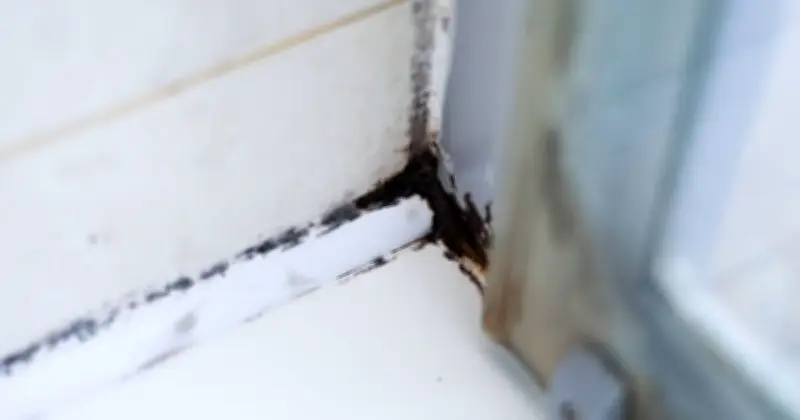
Mould can make your shower look filthy, but a cleaning content creator says two natural ingredients may work more safely and effectively than bleach. By Nicola Roy, Spare Time writer 14:11, Fri, Jun 12, 2026 Updated: 14:13, Fri, Jun 12, 2026
Everyone understands the importance of keeping their bathroom as clean as possible, but this is often easier said than done. As a naturally warm and humid space, it's always vulnerable to mould, particularly around the bath and shower areas. Thoroughly drying your shower after every single use simply isn't realistic, and as a result, you may notice mould developing between the tiles or along the silicone sealant. This can leave your entire bathroom looking neglected and grubby, and your instinct may be to reach straight for the bleach. But one cleaning expert on social media has advised against using bleach on shower mould, recommending two alternative ingredients instead.
TikToker and author Anna Louisa at Home says you can effectively tackle mould on shower grout and silicone sealant without resorting to bleach. In one of her videos, she delivered a stark warning to anyone who has been relying on bleach to combat the problem. She said: "Using chlorine bleach on mould will get rid of it but it won't kill it as it doesn't kill the spore meaning it will eventually come back. It also creates an incredibly toxic gas when used on mould."
Instead, she has suggested two remarkably straightforward ingredients that can tackle the issue far more safely and effectively — hydrogen peroxide and tea tree oil. Simply combine one cup of 3% hydrogen peroxide with one teaspoon of tea tree essential oil in a spray bottle and apply generously to any affected areas until thoroughly soaked. Next, cover the area with tissue and spray once more until the tissue is completely saturated.
Allow it to soak for 'at least one hour' so the ingredients can work their magic. Then, remove the tissue, give the surface a swift wipe down, and the mould should have vanished entirely. Anna added: "If you're making the solution to keep, then making it up into a dark bottle is better as hydrogen peroxide is reactive to light so this will prevent the hydrogen peroxide decomposing." She also reminded everyone tackling mould to wear gloves throughout the treatment process, and to ensure they wash their hands thoroughly once finished.