
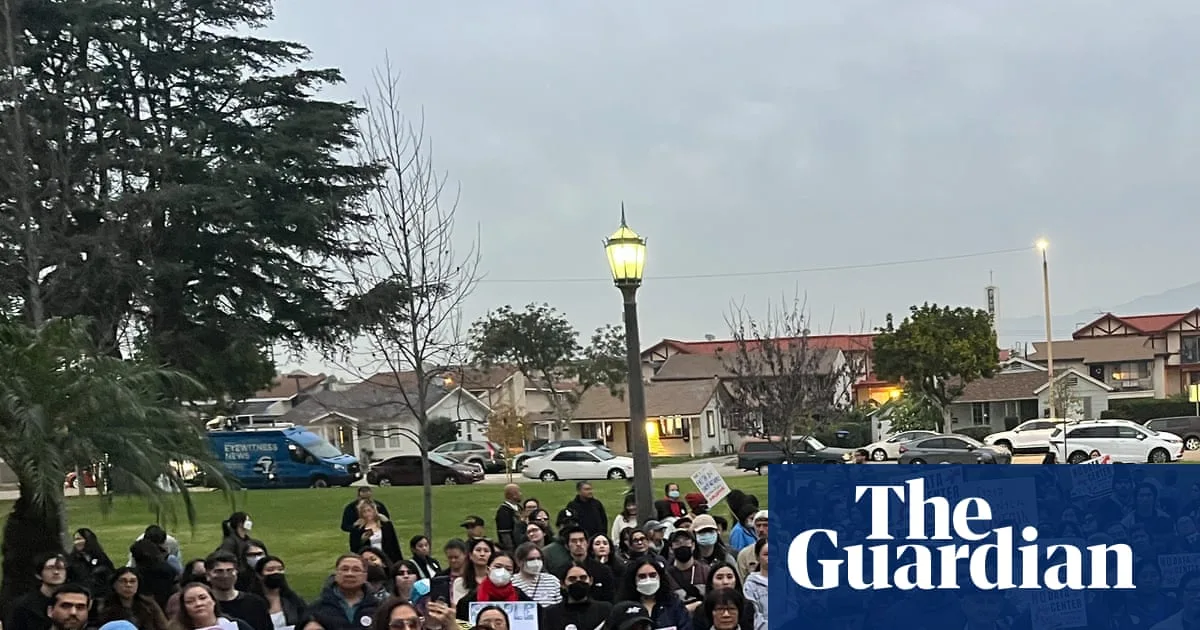
Residents of Monterey Park, California, have overwhelmingly voted to permanently ban datacenters in the city, marking the first time a US municipality has enacted such a prohibition through a ballot initiative. Early results show 86.3% of over 7,000 votes cast in favour of the ban, far exceeding the required 51% majority.
The measure, which will remain in effect until overturned by voters, aims to protect air quality, drinking water resources, and public health, as well as prevent impacts on electricity and water rates. City councilmember Jose Sanchez called it a “landslide victory” for residents opposed to living near datacenters.
Monterey Park’s city council had already imposed an indefinite moratorium in April after public anger over a proposed 250,000 sq ft datacenter by investment firm HMC StratCap. The developer later withdrew its application and indicated it would not pursue legal action against the ballot measure.
Councilmember Sanchez said the ballot measure was pursued to make the ban more permanent and legally robust, as HMC StratCap had threatened to sue over a potential extension of the moratorium. “Being able to go to court and say the residents of Monterey Park voted to ban datacenters is a much better gauge of where our residents are,” he said.
The Data Center Coalition, a trade association, opposed the measure, arguing it sends a signal that the area is closed for business and deprives residents of jobs and investment. However, local organisers praised the city council for taking their concerns seriously.
Nationally, a Gallup poll found that seven in ten Americans oppose the construction of AI datacenters in their local areas. Other municipalities, including Port Washington in Wisconsin and Augusta Township in Michigan, have also turned to ballot measures to restrict datacenter development.




