
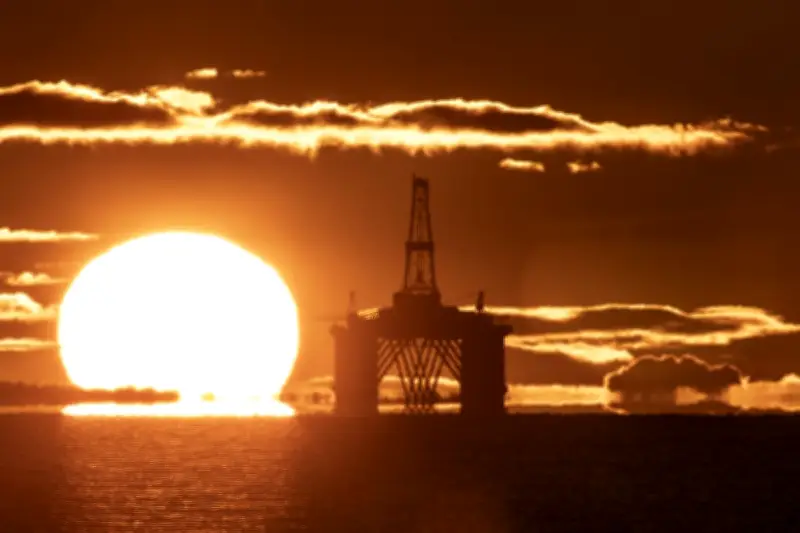
Scottish ministers are being told they must not “shirk responsibility” for the “enormous damage” the planned Rosebank oil and gas field would cause, as campaigners intensify pressure against the development.
Campaigners Call for Opposition
Environmental campaigners at Uplift made the plea as they insisted the proposed development – which is being considered for approval by the UK Government – would “dwarf” the Scottish Government’s “already limited” efforts to tackle climate change.
The call comes as the latest emissions figures showed Scotland produced an estimated 39 million tonnes of carbon dioxide equivalent in 2024 – down 1% on the previous year. Rosebank, which is the UK’s largest untapped field and contains up to an estimated 300 million barrels of oil, would produce more than six times this amount.
Papers from Equinor – which joined forces with Shell to form Rosebank owners Adura – show the total lifetime emissions from the field west of Shetland would be 254 million tonnes of carbon dioxide equivalent.
Super-Emitter Warning
Lauren MacDonald, lead campaigner with the Stop Rosebank group, said the field would be a “super-emitter”. While former Scottish first ministers Humza Yousaf and Nicola Sturgeon had been publicly opposed to the development, John Swinney has been reluctant to take such a stance. The Scottish Government instead says for new oil and gas developments to proceed, they must meet climate compatibility tests, while also being in line with energy security needs.
Ms MacDonald said: “The Scottish Government doesn’t need a ‘climate compatibility’ test to know that Rosebank is fundamentally incompatible with a safe climate.” She said the emissions figures “expose the enormous damage a super-emitter like Rosebank would cause”, adding that if the development is permitted “its emissions would dwarf the Scottish Government’s already limited efforts to tackle climate change”.
She added that while a decision on whether drilling can go ahead is for Westminster, “the Scottish Government must not shirk responsibility for the damage it would cause”.
Public Need vs. Oil Profits
Ms MacDonald said: “Climate change is already driving up food prices and straining water supplies across Scotland, while younger generations face a future of more extreme storms, wildfires and disruption. The Scottish Government must put the public’s need for a safe climate ahead of the profits of multinational oil companies and oppose Rosebank.”
Catrina Randall, a campaigner for Friends of the Earth Scotland, said: “The Scottish Government needs to stop hiding behind the sham of a so-called climate compatibility checkpoint when challenged about Rosebank and other new fields. It’s clear that any climate test that allows new drilling on this scale wouldn’t be worth the paper it’s written on. Ministers should instead be focused on climate solutions that improve people’s lives whilst cutting pollution. This means boosting bus services, repairing homes that are leaking energy to bring down bills and creating secure green jobs in industries with a long-term future.”
Government Responses
A UK Government spokesperson said: “Our priority is to deliver a fair, orderly and prosperous transition in the North Sea in line with our climate and legal obligations, which drives our clean energy future of energy security, lower bills and good long-term jobs.”
Meanwhile a Scottish Government spokesperson said: “We are clear that the UK Government should approach decisions for North Sea oil and gas projects on a rigorously evidence-led, case-by-case basis with climate compatibility and energy security key considerations. Scotland’s greenhouse gas emissions have fallen by more than half since 1990, with a further drop in 2024.”




