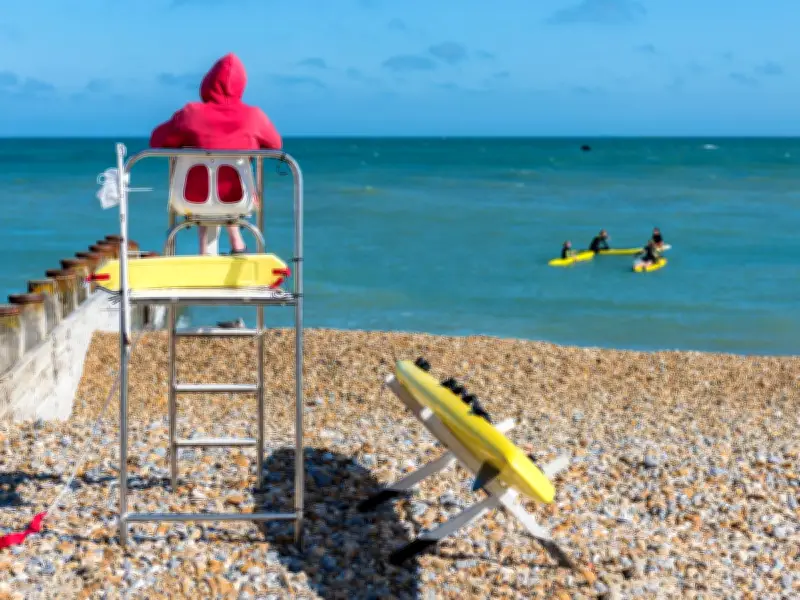
The Met Office has issued essential safety advice for anyone planning to swim in the sea during the current warm spell, warning that sea-surface temperatures remain dangerously low despite the heat. An 'Extreme Heat' alert is in force across many parts of England and Wales, but the weather service stresses that the water is still cold enough to cause cold water shock.
Cold Water Shock Risk Remains High
According to the Met Office website: "People heading to the coast should be mindful that sea-surface temperatures are not as high as they would be in mid-summer." The average UK and Ireland sea temperature is just 12°C, and rivers such as the Thames are even colder, even in summer. Water temperatures of 15°C or below are defined as cold and can seriously affect breathing and movement, posing a significant risk most of the year.
RNLI Advice: Float to Live
Samantha Hughes, National Water Safety Partner at the RNLI, said: "With warmer weather approaching, it’s important to remember that the water is still cold. Entering it unexpectedly can lead to cold water shock, causing a sudden increase in breathing and heart rate, which may trigger panic." She advised: "If you find yourself struggling in the water, remember to Float to Live: tilt your head back so your ears are submerged, relax and control your breathing. You may need to gently use your hands to help you stay afloat, and it’s ok if your legs sink—everyone floats differently."
Three Key Safety Tips
The Met Office shared three simple ways to stay safer: check water temperature (cold water shock risk when 15°C or lower), wear a wetsuit for extended time in water, and wear a life jacket or swimming buoy to increase survival chances if cold water shock occurs. Beachgoers can check tide times, wave heights and sea-surface temperatures using the Met Office app.
Health Risks of Cold Water Shock
Cold water shock causes blood vessels in the skin to close, increasing resistance to blood flow and raising heart rate. This forces the heart to work harder and can cause heart attacks, even in relatively young and healthy people. The RNLI website provides more information on cold water shock.
Lifeguarded Beaches and Emergency Contact
Where possible, always choose a lifeguarded beach and swim between the red and yellow flags. In a coastal emergency, call 999 for the coastguard. The NHS also reminds swimmers to reapply sunscreen after swimming, even if it's water-resistant, as it can rub off.