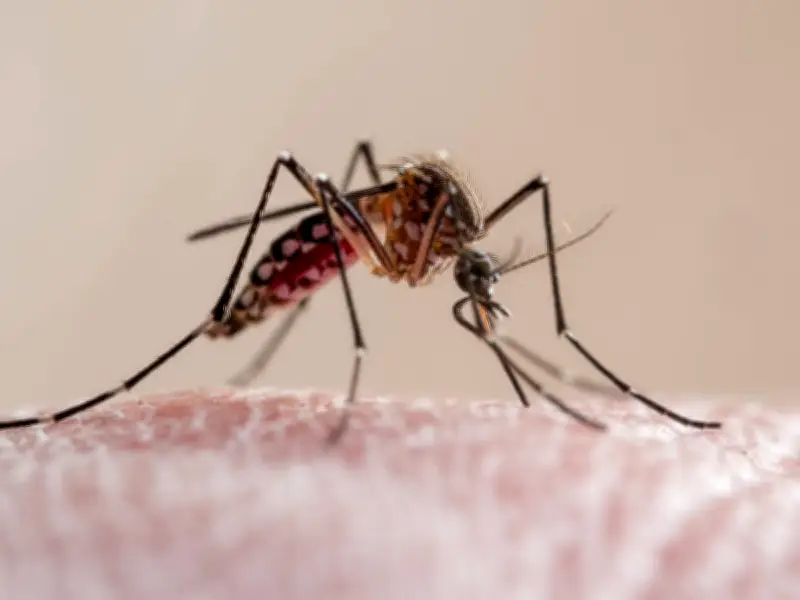
The UK's third heatwave of the year has created conditions that experts say are increasingly favourable to Aedes aegypti, a mosquito species that can spread diseases such as dengue fever, yellow fever, and chikungunya.
Searches for "yellow fever mosquito" have jumped by 5,000% over the past week, and UK Health Security Agency surveillance has identified more than one case of the invasive species appearing in the UK. Mosquito eggs were discovered at a freight storage facility near Heathrow Airport in 2023, and a related invasive species, the Asian tiger mosquito, was found at a motorway service station in Kent in 2024.
Homemade repellent from kitchen ingredients
While many people might instinctively grab a commercially-produced mosquito repellent, a 30p food item can be used instead. Cloves contain eugenol, a naturally occurring compound recognised for disrupting mosquito behaviour.
Simply cut a fresh lemon in half, press 10-15 cloves into the exposed flesh, then place the homemade mosquito repellent on a plate close to windows or doors. The blend of sweet, spicy and acidic aromas appears to confuse or drive away mosquitoes.
Garden tips to prevent breeding
Garden expert Luke Newnes at Hillarys says there are three quick and straightforward steps homeowners can take to prevent their gardens from becoming a breeding ground.
"A prolonged hot spell followed by muggy, still nights is exactly the kind of weather that lets mosquito eggs develop quickly, and most gardens are unknowingly full of the standing water they need," Newnes said. "People are watering pots, filling water butts and topping up bird baths to get through the heat, and every one of those is a potential nursery if it's left untouched for more than a few days. It only takes a small change in habits to close that door."
His three quick fixes are: fit a secure lid or fine mesh cover over water butts and any large water storage so mosquitoes can't reach the surface to lay eggs; empty containers every 3-4 days because Aedes aegypti eggs need around a week of standing water to complete their life cycle; and check gutters, downpipes and any dips in paving or tarpaulins after rain to remove pooled water before it has a chance to sit.
Fitting a fly-screen to external doors can also reduce the likelihood of mosquitoes entering the home.