Jamaicans Endure Hardship as Hurricane Melissa Leaves Homes in Ruins
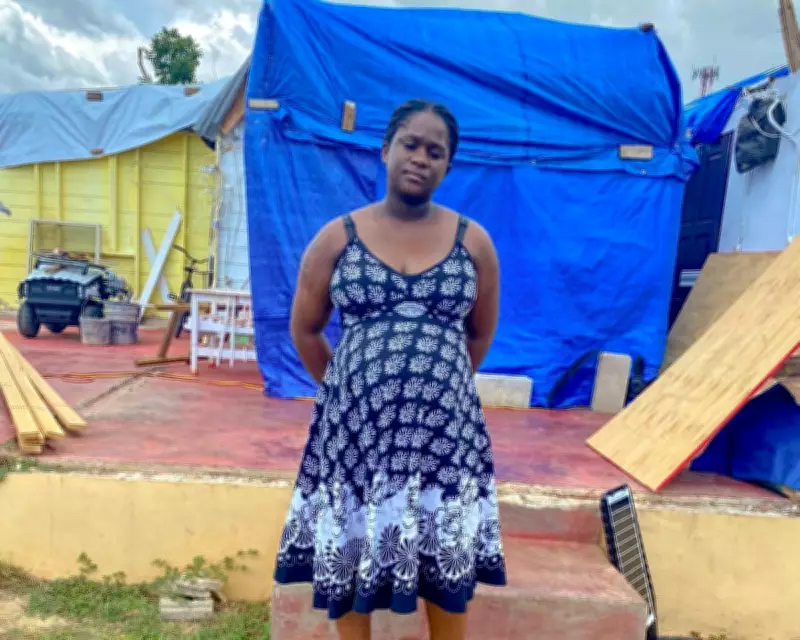
Kerry-Ann Vickers expresses profound distress that her newborn will enter a world without a stable home. Nearly six months after Hurricane Melissa ravaged Jamaica, countless residents like Vickers continue to live in damaged houses, awaiting crucial support to rebuild their lives.
Personal Stories of Trauma and Loss
Kerry-Ann Vickers, a 25-year-old single mother from Black River in St Elizabeth, was three months pregnant when the storm struck last October. Her home suffered severe damage, and she now faces the imminent arrival of her baby without a secure roof. "Before Hurricane Melissa I could have navigated life, figured things out. But since its passage, everything has just been turned upside down," she lamented. Vickers, who also cares for a six-year-old son, described feeling "permanently traumatised" by the event, often staring into an abyss of uncertainty and depression.
In Hanover, Kshema Gray fled her home with her four children, only to face further displacement from a temporary shelter. Although food aid from organisations like World Central Kitchen provided some relief, she has received no assistance for reconstruction. Fighting back tears, Gray recounted the terrifying moment when winds shattered her windows, tore off her roof, and sent furniture flying. "It's not easy at all. I haven't gotten any support," she stated, noting that government damage assessments have yet to translate into tangible help.

Government Response and Systemic Challenges
Initial post-hurricane assessments indicated over 150,000 homes were damaged or destroyed. Andrea Purkiss, a Member of Parliament for Hanover, reported that many constituents remain in dire need, with delayed payments and incomplete assessments exacerbating their plight. "Payments are taking a while to get to residents," Purkiss explained. "Lots of people still don't have roofs. This morning, a lady called me asking for two tarps because she still has not received the payout and as soon as it rains her house gets wet."
The Jamaican government has initiated the Restoration of Owner-Occupants Family Shelters (Roofs) programme, accelerating recovery efforts. Pearnel Charles, Minister of Labour and Social Security, emphasised a commitment to strengthening systems to meet growing demand. To date, $8.25 billion has been disbursed, with an additional $3 billion allocated to benefit 14,000 new households. The ministry assured that funds are not exhausted, but disbursements are accelerating nationwide.
Climate Justice and International Aid
Matthew Samuda, Jamaica's Environment Minister, highlighted the unfair burden placed on the country due to climate breakdown, which intensifies hurricanes like Melissa. He criticised global climate financing mechanisms, such as the Green Climate Fund and Loss and Damage Fund, as inadequate. "If I give you some context, we have $10bn worth of losses and damage [from Melissa]," Samuda noted, pointing out the vast gap between needs and available resources.
Human rights groups and environmentalists have linked colonialism and enslavement to the climate crisis, advocating for reparatory justice. Mariama Williams, a Jamaican economist, stressed the importance of recognising Afro-descendant communities as rights-holders and solution-providers in climate negotiations.
Diaspora Support and Community Efforts
International aid has included a £7.5 million emergency pledge from the UK, but diaspora communities have played a pivotal role. Alexander Williams, Jamaica's High Commissioner to the UK, described diaspora contributions as a "lifeline." In the UK, efforts led by figures like Nathaniel Peat of Jamaicans Inspired have mobilised celebrities, businesses, and individuals to send aid, including 2.9 tonnes transported free by British Airways.
Cyeth Denton-Watts, Jamaica's Deputy High Commissioner to the UK, emphasised the need for practical supplies like tarpaulins, generators, and tools over clothing donations. The diaspora is also facilitating British tradespeople to assist in rebuilding Westmoreland and St Elizabeth in the coming months.

Ongoing Struggles and Future Hopes
On the ground, educators like Claudene Daley and Audley Feare witness the persistent needs of affected communities, hoping global attention does not wane. In Santa Cruz, Karene Salmon remains displaced from her Black River home, echoing calls for continued support. "It's really rough and we are still in need of help," she said, underscoring the long road to recovery for many Jamaicans.