
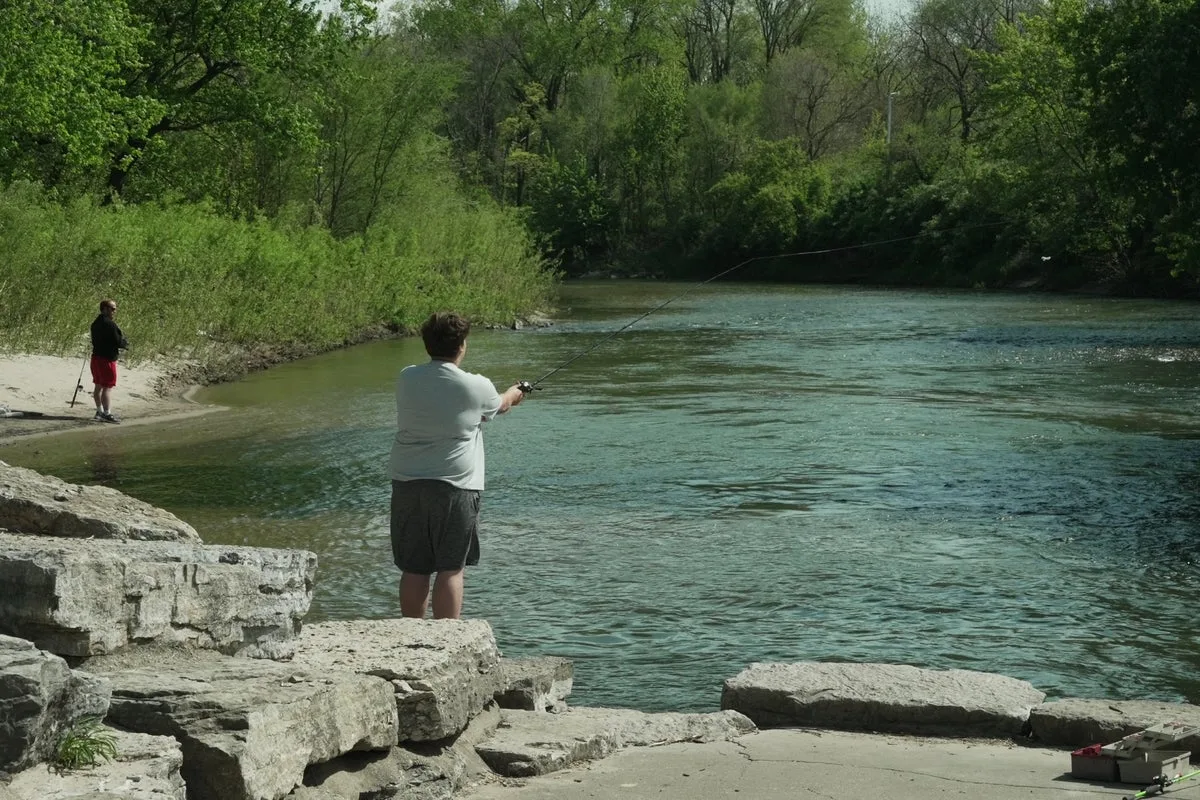
Hannah Ray J Childs finds exhilaration in Iowa’s Maquoketa River, performing whitewater acrobatics that give her the 'feeling of flying'. Yet, her deep connection to the state's waterways comes with a stark reality: she has fallen ill from its pollution and now wears nose and ear plugs to minimise risk. This paradox prompts a bewildered response to her hobby: 'Ew, that’s disgusting. Why would you do that?'
Iowa, a leading agricultural state, grapples with one of the Midwest's most severe water quality challenges. Its farms, as a top producer of corn, soybeans, and hogs, generate nitrates and phosphorus that drain into waterways, contributing to the Gulf of Mexico's dead zone. Last summer, the state's largest city faced water restrictions due to harmful nitrates in tap water. In 2024, over half of the state's monitored river, stream, and lake sections failed to meet standards for swimming, drinking, or aquatic life.
The state has largely relied on voluntary actions and incentives, not mandates, to curb runoff, consistently falling short of its goals. Environmental groups recently sued a previous administration, alleging it improperly reversed a Biden-era requirement for Iowa to address nitrate pollution in several rivers. Despite challenges, investment and improvement have occurred. Governor Kim Reynolds recently championed a $320 million package for water infrastructure and other projects, adding to nearly $100 million annually allocated to the problem. Phosphorus levels have diminished, and better practices like cover crops and reduced tillage have increased.
Iowa’s identity is deeply intertwined with its waterways, including the Missouri and Mississippi rivers. Mary Swander, a 75-year-old theatre director and former state poet laureate, fondly remembers learning to canoe and swim outdoors while growing up near the water. However, she now avoids the water after bad experiences, including a time when the water at a state park felt 'sticky' and a ranger warned her group not to get their hands in the water. 'I was like, "Well, what the hell are we doing out here, then?"' she said.
Bacteria plays the biggest role in making streams inaccessible, coming from animals and sometimes human sewage. Heavy rains wash away manure, a risk intensified by climate change. Nitrates and phosphorus from manure and fertiliser feed algae, leading to lake advisories and threatening drinking water. Childs now volunteers to test the Maquoketa River for chemicals and championed a whitewater park in Manchester to foster community connection. 'If we don’t get people invested in their local river, their local community, how are we ever going to ask them to take care of it?' she said.




