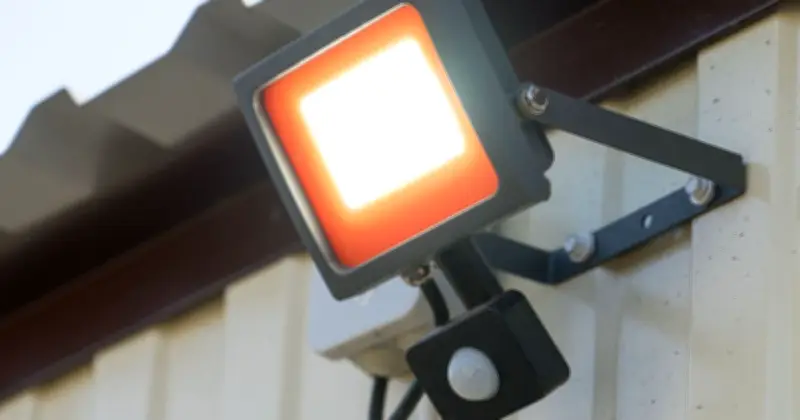
The Royal Horticultural Society (RHS) is urging households to stop using bright security lights and other powerful artificial lighting in gardens due to their devastating impact on nocturnal wildlife. Research published in the journal Biological Conservation warns that artificial light at night (ALAN) is a key driver of what scientists call the 'insect apocalypse'.
Research Highlights Threat to Insects
In a study published in Biological Conservation, researchers argue that ALAN, combined with habitat loss, pesticide use, invasive species, and climate change, is accelerating insect declines. The paper states: 'Insects around the world are rapidly declining. Concerns over what this loss means for food security and ecological communities have compelled a growing number of researchers to search for the key drivers behind the declines.'
The authors add: 'A growing body of research demonstrates that ALAN can impact the fitness of plants and animals and more recent reviews have catalogued its broadscale effects on insects in particular. Some estimates suggest that one third of insects attracted to stationary artificial light sources die before morning, either through exhaustion or predation.'
Extinction Risk for Insect Species
The research paper concludes: 'Some estimates predict that one million species, including up to 40% of insects, will go extinct within the next several decades. It is urgent therefore that we seek to identify the range of threats that insects face, and understand how to best address them. In light of the evidence presented above, we strongly believe that ALAN — in combination with habitat loss, chemical pollution, invasive species, and climate change — is driving insect declines.'
RHS Advice for Gardeners
Based on this research, the RHS is asking gardeners to reconsider their use of artificial lighting. The society states: 'Since artificial light in gardens disrupts natural behaviour for a range of wildlife it's important to retain some dark areas and also question whether you really need lighting.'
The RHS adds: 'The trend for lighting up gardens as an extension of our living space may seem an inviting one but needs to be done with great care. A garden can be just as magical a place enjoyed in moonlight or simply with the aid of a torch.'
Practical Recommendations
To minimise harm, the RHS recommends: 'Turn garden lights off when not in use or use PIR motion sensors or timers for essential or security lighting so they only come on when absolutely necessary. Position lights as low as possible and aim them downwards or to where they're needed. When angling lights make sure you think about how it impacts on your neighbours too (such as not glaring right into their windows) and always position them considerately.'
The society also advises: 'Choose low-intensity lighting and warmer hues (warm white, yellow or amber): solar lighting is cheap, safe and emits a dull glow suitable for garden use. Encourage local councils to adopt switch-off schemes for street lighting: even part-night lighting instead of full-night lighting has been found to reduce negative impact on the behaviour of moths.'
Broader Implications
The loss of insects has severe consequences for the entire food chain, as insects are crucial for pollination and as a food source for other wildlife. The RHS warns that if insect populations collapse, it could threaten food security and ecological stability. While dim solar lights are generally considered safe, bright security lights and battery-powered or plug-in lighting are particularly harmful.