
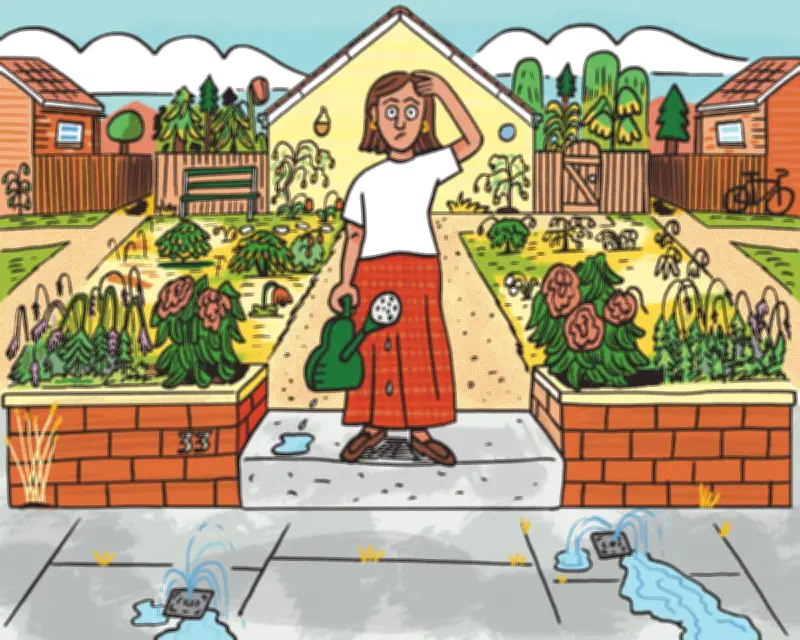
Harry, 24, from Essex, plans to defy a hosepipe ban to keep his plants alive. 'Plants are like your babies,' he says, arguing most people would break the law to save them. He is not alone. Thames Water became the latest company to ban hosepipes on Tuesday, affecting over 10 million people. Since mid-July, Welsh Water, Anglian Water, Affinity Water, Southern Water, and Cambridge Water have announced bans. South East Water extended its ban to cover an additional 1.5 million people.
Culture war erupts over exemption
The ban has stoked division. Suella Braverman MP called it 'another act of lunacy in Labour's two-tier Britain'. Reform UK's Kevin Hollinrake called it a 'kick in the hosepipe'. The exemption for some benefit claimants and disabled people has sparked outrage, though it only applies to those with three or more children or medical conditions requiring significant water use, such as dialysis.
Why the ban?
The climate crisis is the root cause. 2025 was the UK's hottest year, and 2026 is already hotter and drier, with three heatwaves. Daniel Johns of Water Resources East says river levels are at 'all-time lows'. A House of Lords report warned of a 5bn-litre-a-day water shortfall by 2055. Water companies had 'no choice' but to impose bans as households use more water.
Harry blames water companies, which lose almost 3bn litres of drinking water daily through leaks – five times more than a nationwide ban could save, according to Greenpeace UK. AI datacentres also guzzle water; there are over 450 in the UK, mostly in the south and south-east. Water UK warned plans for more are 'fatally flawed' as policies make 'not a single mention of water'. The Government Digital Sustainability Alliance predicts AI will increase global water usage from 1.1bn to 6.6bn cubic metres by 2027.
Disabled people feel targeted
Maddy Alexander-Grout, a disability advocate, says disabled people are 'getting the brunt of everything'. She needs a hosepipe to cool down due to Hashimoto's disease and clean her wheelchair. She says the anger is the latest culture war targeting disabled people, following campaigns against the Motability scheme. Despite the controversy, the WaterSure tariff has existed since 1999.
Isabella, 24, a garden centre worker, complies with the ban but says exempt customers 'feel like they're being watched by their neighbours' and are 'scared that neighbours will call the police on them'. She understands their frustration.
Infrastructure failures
Laura Greasley, from Norfolk Broads, collects grey water but has a leaking pipe outside her home for a year. She says it's 'exceptionally frustrating' to see wasted water while being asked to sacrifice her garden. Vanessa Speight, a water systems professor, says pipes average 80 years old, and replacing them is expensive because water is cheap. Privatisation has left the UK in a 'difficult situation' where water is monetised.
Speight says the UK must 'live like a drier country' as summers become hotter and dryer. Fixing pipes would likely make hosepipe bans 'very small'. Gardeners are adapting; Tim Parry suggests drought-tolerant plants like Canary Island date palm and Chusan palm. He notes plants have sentimental value, such as roses grown with a relative's ashes.




